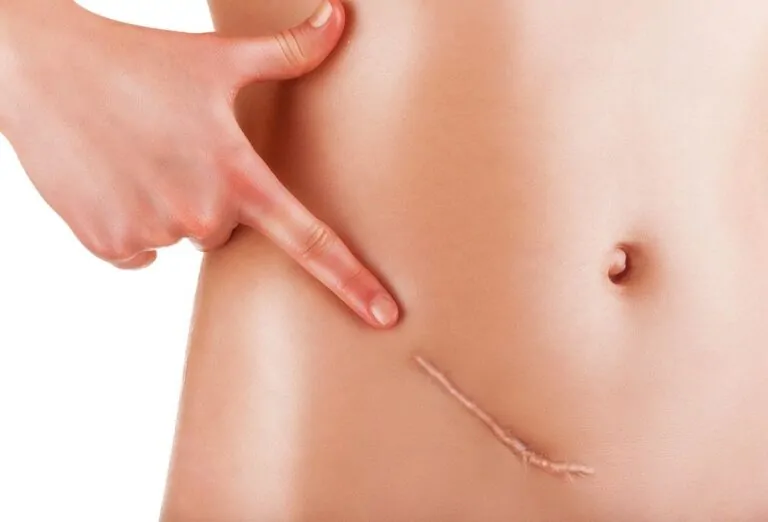
Scars are a natural part of the skin’s healing process after surgery, injury, burns or other forms of skin trauma. While some scars gradually become less noticeable, others may remain raised, depressed, discoloured or uneven in texture.
Scar treatment aims to improve the appearance and texture of a scar rather than completely erase it. The most appropriate method depends on the type, age, depth and location of the scar, as well as the characteristics of the surrounding skin.
At Quartz Clinique in Istanbul, scar treatment is individually planned using options such as fractional laser, RF microneedling, Morpheus8, subcision and scar revision when appropriate.
What Types of Scars Can Be Treated?
Identifying the scar type is an important part of treatment planning because different scars require different approaches.
Common types include:
- Flat scars: may differ in colour or texture from the surrounding skin.
- Atrophic scars: depressed scars that sit below the surface of the skin.
- Hypertrophic scars: raised scars that generally remain within the boundaries of the original wound.
- Keloid scars: raised scar tissue that can grow beyond the original wound.
- Surgical scars: scars that develop following an operation or incision.
- Traumatic scars: scars caused by cuts, injuries or burns.
Keloids require a different treatment strategy because of their tendency to grow and recur.
Scar Treatments at a Glance
| Treatment | May Be Considered For |
|---|---|
| Fractional Laser | Texture irregularities and selected surgical or traumatic scars |
| RF Microneedling / Morpheus8 | Selected depressed scars, uneven texture and collagen remodelling |
| Microneedling | Selected superficial or atrophic scars |
| Subcision | Selected depressed scars with deeper fibrous attachments |
| Scar Revision | Selected scars that may benefit from surgical correction |
| Combination Treatment | Scars involving more than one structural concern |
Fractional Laser for Scars
Fractional laser creates controlled microscopic treatment zones in the skin to stimulate healing and collagen remodelling.
It may be used to improve the texture and visibility of selected scars, including some surgical and traumatic scars.
The appropriate laser technology and treatment settings depend on the scar, treatment area and skin type. Careful assessment is particularly important in darker skin tones because of the potential risk of post-inflammatory pigmentation.
Morpheus8 and RF Microneedling for Scars
RF microneedling combines controlled needle penetration with radiofrequency energy delivered at selected tissue depths.
Technologies such as Morpheus8 may be considered for selected depressed scars and uneven texture where collagen remodelling is the treatment goal.
Treatment depth and energy are adjusted according to the characteristics of the scar and treatment area.
Subcision for Depressed Scars
Some depressed scars are held down by fibrous attachments beneath the skin.
Subcision is used to release these attachments in suitable scars, allowing the depressed area to improve. It is particularly relevant for tethered scars, including certain rolling acne scars.
Not every depressed scar requires subcision, and it may sometimes be combined with another treatment to improve surface texture.
Surgical Scar Revision
Some scars may be suitable for surgical scar revision, particularly when their width, position or structure cannot be adequately addressed with non-surgical treatments.
Scar revision involves surgically modifying the existing scar to create a more favourable healing pattern. It does not make the skin completely scar-free, and the expected result depends on the individual scar and healing response.
Can Old Scars Be Treated?
Yes. Older scars can often still be treated.
Depending on the scar, treatment may aim to improve:
- Texture
- Depth
- Thickness
- Colour differences
- Overall visibility
Older scars may respond differently from newer scars, and complete scar removal cannot be guaranteed. The aim is generally to make the scar less noticeable rather than erase it completely.
How Many Scar Treatment Sessions Are Needed?
There is no standard number of sessions for every scar.
The treatment plan depends on the scar type, size, depth, location, skin characteristics and treatment method. Some treatments are performed as a series, while others follow a different schedule.
Results are generally evaluated progressively as the treated tissue heals and remodels.
Scar Treatment in Istanbul, Turkey
International patients considering scar treatment in Istanbul can share photographs before travelling for an initial assessment.
At Quartz Clinique, the scar is evaluated according to its type, depth, location and skin characteristics before a treatment plan is recommended.
Patients travelling from abroad should also share their travel dates in advance, particularly when the recommended treatment may require multiple sessions or follow-up.
Scar Treatment Cost in Istanbul
The cost of scar treatment in Istanbul depends on the individual treatment plan.
Factors that may affect the price include:
- Type and size of the scar
- Number of scars
- Treatment area
- Treatment method
- Number of sessions
- Whether combination treatment is required
An assessment is necessary to determine the appropriate treatment and current price.
Frequently Asked Questions
What is the best treatment for scars?
There is no single best treatment for every scar. Fractional laser, RF microneedling, subcision and scar revision address different scar characteristics, so treatment should be selected after assessment.
Can surgical scars be treated?
Yes. Depending on the characteristics and maturity of the scar, options may include laser or other collagen-remodelling treatments. Selected scars may also be considered for surgical scar revision.
Is Morpheus8 suitable for scars?
Morpheus8 may be considered for selected scars where RF microneedling and collagen remodelling are appropriate. It is not suitable for every scar type.
Can scars be completely removed?
Complete scar removal cannot be guaranteed. Treatment aims to make the scar less noticeable by improving characteristics such as texture, depth, thickness or colour.
Is subcision suitable for every depressed scar?
No. Subcision is mainly considered when fibrous attachments beneath the skin contribute to a depressed or tethered scar.
References
- American Academy of Dermatology — Scar treatment and management.
- Peer-reviewed dermatology literature on fractional laser treatment for scars.
- Peer-reviewed literature on RF microneedling, microneedling and subcision in scar management.
Content Responsibility and Medical Review

Medical expert
Dr. Nur Afşar
Medical Aesthetic Physician
Dr. Nur Afşar has been practicing in the field of medical aesthetics for over seven years. She has experience in a range of non-surgical aesthetic treatments, particularly Botox, dermal fillers, mesotherapy, and skin rejuvenation procedures. Her approach to treatment planning focuses on achieving natural and balanced results.
Medical content lead for Scar Treatment: Dr. Nur Afşar
Last updated: