

Exosome treatment is an emerging approach used in regenerative and aesthetic medicine, particularly in protocols addressing skin quality and hair concerns. Exosomes are microscopic extracellular vesicles involved in cell-to-cell communication and carry biological molecules such as proteins, lipids and nucleic acids. In aesthetic practice, exosome-based products may be incorporated into selected treatment protocols according to the product, treatment area and individual needs.
At Quartz Clinique in Istanbul, aesthetic treatments involving exosome-based products are planned following an individual assessment of the patient’s skin or hair concerns, medical history and treatment goals.
What Is Exosome Treatment?
Exosome treatment refers to the use of exosome-containing or exosome-based products within selected aesthetic and regenerative protocols.
Exosomes themselves are naturally occurring extracellular vesicles released by cells. They act as biological messengers, transporting molecular signals between cells and contributing to different physiological processes.
Interest in exosomes has increased considerably in regenerative medicine because of their role in cellular communication. Research is also investigating their potential applications in dermatology, aesthetic medicine and hair-related treatments.
However, exosome treatments are not all the same.
Their source, manufacturing process, purification, concentration and formulation can differ between products. The clinical evidence and regulatory status of exosome-based products can also vary between countries and specific applications.
For this reason, the term “exosome treatment” should not be interpreted as a single standardised procedure.
Exosome Treatment at a Glance
| Feature | Details |
|---|---|
| Treatment Category | Regenerative / aesthetic treatment approach |
| What Are Exosomes? | Extracellular vesicles involved in cell-to-cell communication |
| Common Aesthetic Applications | Skin quality and selected hair-related protocols |
| Application Method | Varies according to the product and treatment protocol |
| Can It Be Combined With Other Treatments? | May be incorporated into selected microneedling, laser or hair treatment protocols |
| Number of Sessions | Depends on the product, indication and individual treatment plan |
| Downtime | Depends primarily on the method used to deliver or combine the treatment |
What Are Exosomes?
Exosomes are extremely small extracellular vesicles released by many types of cells.
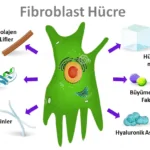
Rather than functioning as cells themselves, exosomes carry biological molecules from one cell to another. Their contents may include proteins, lipids and different forms of RNA.
Through this signalling process, exosomes participate in intercellular communication and are involved in a variety of biological processes.
This mechanism has made exosomes an important area of scientific research, including studies related to:
- Tissue repair
- Inflammatory responses
- Cellular signalling
- Skin biology
- Hair follicle biology
- Regenerative medicine
It is important to distinguish between the biological role of naturally occurring exosomes and the clinical claims made for commercial exosome-based aesthetic products.
Research findings about exosome biology do not automatically mean that every commercial product produces the same clinical effects.
How Are Exosomes Used in Aesthetic Medicine?
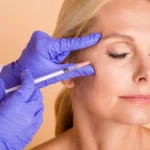
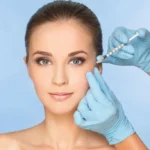
In aesthetic medicine, exosome-based products may be used as part of protocols intended to support skin or scalp quality.
Rather than physically adding volume like a dermal filler, the treatment concept is based on the biological signalling molecules contained within exosome preparations.
Depending on the product and protocol, exosomes may be used alone or incorporated into treatment plans involving procedures that create controlled stimulation within the skin.
Examples may include:
- Microneedling
- Selected laser treatments
- Skin rejuvenation protocols
- Scalp and hair treatments
The appropriate application method depends on the specific product, its intended use and the patient’s treatment plan.
Exosome Treatment for Skin
Exosome-based products are increasingly discussed in aesthetic medicine in relation to skin quality and rejuvenation.
They may be incorporated into selected protocols for patients concerned about:
- Changes in skin texture
- Dull or tired-looking skin
- Age-related changes in skin quality
- Uneven appearance
- Recovery following selected aesthetic procedures
Research is investigating how exosome-mediated signalling may influence processes associated with skin repair, inflammation and extracellular matrix activity.
However, the clinical effect depends on the product and protocol being used, and exosome treatment should not be presented as a guaranteed method of reversing skin ageing.
Exosome Treatment for Hair
Exosome research has also attracted attention in relation to hair and scalp treatments.
Hair follicles are biologically complex structures influenced by cellular signalling, hormones, genetics, age and numerous other factors.
Preliminary and emerging research has explored whether exosome-based approaches may have a role in supporting signalling pathways associated with hair follicle activity.
In aesthetic practice, exosome products may therefore be incorporated into selected hair treatment protocols.
However, hair loss has many possible causes. Exosome treatment should not be considered an automatic solution for every type of hair loss.
Before treatment, factors such as the pattern and progression of hair loss, scalp condition, medical history and previous treatments should be considered.
Depending on the individual, alternative or complementary approaches may include PRP hair treatment or hair mesotherapy.
In some treatment plans, exosome-based products may be combined with microneedling to complement the controlled skin-remodelling response created by the procedure.

How Is Exosome Treatment Applied?
There is no single application technique that defines all exosome treatments.
The method depends on:
- Product formulation
- Treatment area
- Intended indication
- Manufacturer instructions
- Whether another procedure is being performed at the same session
For skin treatments, an exosome-based product may be incorporated into protocols involving microneedling or selected energy-based procedures.
For scalp treatments, the approach may differ according to the product and treatment plan.
This variability is another reason why exosome treatment should not be described as one universally standardised procedure.
Before treatment, the skin or scalp should be evaluated and the appropriate protocol determined individually.
Exosome Treatment with Microneedling
Microneedling creates controlled microchannels in the skin and stimulates a wound-healing response.
Exosome-based products are sometimes incorporated into microneedling protocols with the aim of complementing this regenerative response.
The two approaches should not be confused.
Microneedling is a mechanical skin-remodelling procedure, while exosomes are extracellular vesicles used within selected regenerative protocols.
Combining the two does not mean that every microneedling patient requires exosomes.
Whether a combined treatment is appropriate depends on skin condition, treatment goals, product characteristics and medical assessment.
Exosome Treatment with Laser Procedures
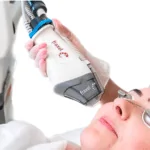
Exosome-based products may also be discussed in connection with selected laser or energy-based skin treatments.
Fractional treatments create controlled effects within the skin to initiate a remodelling process. Some aesthetic protocols incorporate regenerative products during the post-procedure period.
However, the combination depends on the type of laser, treatment intensity, skin condition and exosome product being considered.
Exosome treatment should therefore not automatically be added to every laser procedure.
When appropriate, the sequence and timing should be planned according to the specific treatments involved.
Exosome Treatment vs PRP
Exosome treatment and platelet-rich plasma (PRP) are both discussed within regenerative aesthetics, but they are fundamentally different.
PRP is prepared from the patient’s own blood. After blood is collected and processed, a platelet-rich component is obtained and used according to the treatment protocol.
Exosome-based products, in contrast, are manufactured products containing extracellular vesicles or exosome-related components depending on their formulation.
The two approaches therefore differ in:
- Source
- Preparation
- Biological composition
- Standardisation
- Treatment protocols
- Available clinical evidence
- Regulatory considerations
PRP has been used clinically for a longer period and has a broader body of published evidence across several medical and aesthetic applications.
Exosome-based aesthetic treatments represent a newer and still developing field.
The appropriate treatment depends on the indication rather than assuming that one is universally superior to the other.
Exosomes vs Stem Cell Treatment
Exosomes and stem cells are not the same thing.
Stem cells are living cells capable of different biological functions depending on their type and environment.
Exosomes are extracellular vesicles released by cells. They do not contain a living cell and cannot be accurately described as stem cells.
Some exosome products may be derived from cell cultures associated with stem cells, which is one reason the terms are sometimes confused in marketing.
However, calling exosome treatment a “stem cell treatment” is scientifically inaccurate unless the treatment actually involves stem cells.
This distinction is particularly important when evaluating aesthetic treatment claims.
Exosome Treatment vs Collagen Biostimulators
Exosome treatment should also be distinguished from injectable collagen biostimulators such as PLLA- or CaHA-based products.
Collagen biostimulators are injectable materials designed to create a controlled tissue response that supports new collagen formation.
Products such as Sculptra and Lanluma contain poly-L-lactic acid (PLLA), while other injectable approaches may use calcium hydroxyapatite (CaHA).
Exosome-based products work according to a different biological concept involving extracellular signalling.
Therefore, exosome treatment and collagen biostimulation should not be treated as interchangeable procedures.
Who May Consider Exosome Treatment?
Exosome-based aesthetic treatments may be considered in selected adults interested in regenerative approaches for skin or hair concerns.
Depending on the indication, potential candidates may include people who:
- Want to improve overall skin quality
- Are considering a regenerative treatment alongside selected skin procedures
- Have selected hair or scalp concerns
- Want to explore alternatives or complementary treatments to established aesthetic procedures
However, suitability depends on more than aesthetic goals.
Medical history, medications, allergies, pregnancy status, active skin or scalp conditions and the specific product being considered should be reviewed.
Because exosome products can differ significantly, the safety profile and contraindications of the individual product should also be considered.
How Many Exosome Treatment Sessions Are Needed?
There is no evidence-based universal session number that applies to every exosome treatment.
The appropriate schedule depends on:
- Product being used
- Treatment indication
- Skin or scalp condition
- Whether another procedure is being combined
- Individual response
- Treatment goals
For this reason, statements such as “everyone needs three sessions” should be avoided.
A treatment schedule should be determined according to the specific protocol rather than applying the same number of sessions to every patient.
When Can Exosome Treatment Results Be Seen?
The expected timeline varies according to the treatment indication and protocol.
Exosome treatment does not provide direct structural volume in the way a dermal filler does.
When used within skin rejuvenation protocols, changes related to skin quality are expected to develop progressively rather than immediately.
When used for hair-related concerns, evaluation may require a longer period because the hair growth cycle itself takes time.
The appearance immediately after a combined procedure may also reflect temporary effects from microneedling, laser treatment or other procedures performed during the same session.
For this reason, the effect of the exosome product should not automatically be attributed to immediate post-treatment changes.
How Long Do Exosome Treatment Results Last?
There is currently no single scientifically established duration that can be applied to all exosome aesthetic treatments.
Duration can vary according to:
- Product
- Treatment indication
- Application method
- Number of sessions
- Combined treatments
- Skin or scalp condition
- Individual biological response
The available evidence for many aesthetic exosome applications is still developing.
For this reason, fixed claims such as “results last 12 months” should be interpreted cautiously unless supported by evidence for the specific product and indication.
Recovery and Aftercare
Recovery after exosome treatment depends largely on how the product is used.
If an exosome-based product is incorporated into a microneedling or laser procedure, temporary reactions may result primarily from that procedure.
These may include:
- Redness
- Sensitivity
- Mild swelling
- Dryness
- Temporary skin irritation
For hair or scalp protocols, temporary sensitivity or redness may occur depending on the application method.
Patients should follow the aftercare recommendations provided for both the exosome product and any accompanying procedure.
Sun protection may be particularly important after treatments that temporarily increase skin sensitivity.
Exosome Treatment Side Effects and Safety
The safety of an exosome treatment depends on the specific product, its source, manufacturing process, purity, formulation and application method.
This is particularly important because “exosome treatment” describes a broad and evolving product category rather than one universally standardised medication or procedure.
Potential reactions may also be related to the method used alongside the product, such as microneedling or laser treatment.
Patients should be informed about:
- What product is being used
- How it was manufactured
- Its intended application
- Potential side effects
- Alternative treatments
- The current level of clinical evidence
Any unusual, persistent or worsening reaction after treatment should be medically evaluated.
Exosome Treatment in Istanbul
Istanbul attracts international patients seeking a wide range of aesthetic, dermatological and hair treatments.
For patients considering exosome treatment in Istanbul, choosing a treatment should involve more than simply searching for an “exosome package.”
Because exosome-based products and protocols vary, an individual assessment should consider:
- Whether the concern involves skin or hair
- The specific product being considered
- Treatment method
- Whether exosomes are being combined with another procedure
- Available alternatives
- Expected number of sessions
- Recovery requirements
- Length of stay in Istanbul
At Quartz Clinique, the treatment approach is determined according to the patient’s individual concerns and the characteristics of the treatment being considered.
International patients should also consider whether their treatment requires multiple sessions before arranging travel.
Exosome Treatment Cost in Istanbul
The cost of exosome treatment in Istanbul varies because there is no single standard exosome procedure.
Factors that can influence cost include:
- Type of exosome-based product
- Treatment area
- Skin or hair indication
- Number of sessions
- Application method
- Whether microneedling, laser or another procedure is combined
- Individual treatment plan
For this reason, price comparisons should also consider what product and protocol are actually included, rather than comparing the term “exosome treatment” alone.
An individual assessment is necessary to determine the appropriate treatment plan.
Frequently Asked Questions About Exosome Treatment
Are exosomes stem cells?
No. Exosomes are extracellular vesicles involved in cell-to-cell communication. They are not living stem cells. Although some exosome products may originate from stem-cell-related cell cultures, the resulting exosomes should not be described as stem cells.
Is exosome treatment approved for aesthetic use?
The regulatory status of exosome-based products varies by country, product and intended use. Patients should not assume that all products marketed as exosomes have the same regulatory status or clinical evidence.
Is exosome treatment good for the skin?
Exosome-based products are being studied and used in selected aesthetic protocols related to skin quality and recovery. However, evidence varies according to the product and application, and results should not be guaranteed.
Can exosomes help with hair loss?
Exosome-based approaches are being investigated for hair and scalp applications. Early research is of interest, but hair loss has many causes and the clinical evidence remains less established than for some conventional hair treatments.
Which is better, PRP or exosomes?
There is no universal answer. PRP and exosomes are different biological approaches. PRP has a longer history of clinical use and a broader evidence base, while exosome-based aesthetic applications remain an emerging field. Treatment selection should depend on the indication and individual assessment.
Can exosomes be used with microneedling?
Some aesthetic protocols combine exosome-based products with microneedling. Whether this is appropriate depends on the product, skin condition and treatment goals.
Can exosomes be combined with laser treatment?
Selected protocols may incorporate exosome-based products alongside certain laser treatments. The suitability and timing depend on the type and intensity of the laser procedure as well as the specific product.
How many exosome sessions do I need?
There is no standard session number for every patient. The treatment schedule depends on the product, indication, application method and whether another procedure is being combined.
How quickly does exosome treatment work?
The timeline varies. Skin-related changes, when they occur, generally develop progressively. Hair-related treatments require longer evaluation because of the natural hair growth cycle.
Is there downtime after exosome treatment?
Downtime depends primarily on the application method and any procedure performed alongside it. Exosomes combined with microneedling or laser treatment may involve temporary redness, sensitivity or swelling associated with those procedures.
References
- Kalluri R, LeBleu VS. The Biology, Function, and Biomedical Applications of Exosomes. Science. 2020;367(6478).
- Théry C, Witwer KW, Aikawa E, et al. Minimal Information for Studies of Extracellular Vesicles 2018 (MISEV2018). Journal of Extracellular Vesicles. 2018;7(1):1535750.
- Rani S, Ryan AE, Griffin MD, Ritter T. Mesenchymal Stem Cell-Derived Extracellular Vesicles: Toward Cell-Free Therapeutic Applications. Molecular Therapy. 2015;23(5):812–823.
- Published clinical and preclinical literature investigating extracellular vesicles and exosome-based approaches in dermatology, skin regeneration and hair follicle biology.
Content Responsibility and Medical Review

Medical expert
Specialist in Plastic, Reconstructive and Aesthetic Surgery
Leyla Arvas graduated from Istanbul University, Istanbul Faculty of Medicine in 1998 and is a specialist in Plastic, Reconstructive and Aesthetic Surgery.
Dr. Leyla Arvas sees patients at her private practice and performs her surgeries at Acıbadem Hospital and Memorial Hospital, both of which are accredited by the Joint Commission International (JCI).
Medical content lead for Exosome Treatment: MD, Leyla Arvas, MD
Last updated: