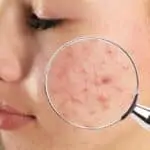
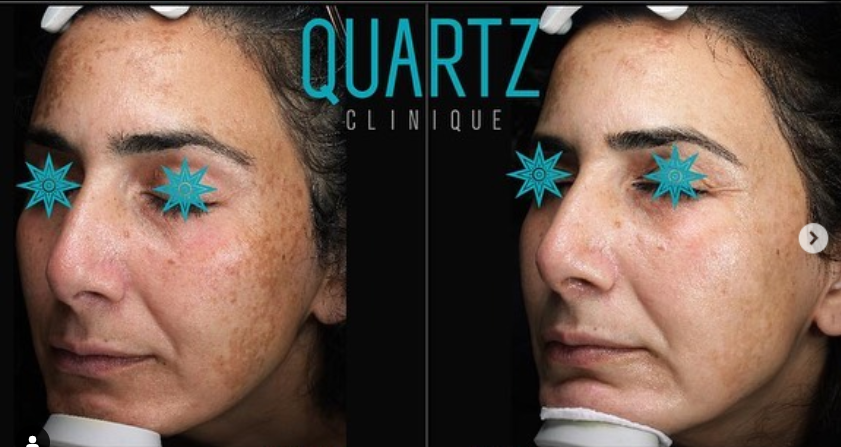
Pigmentation can appear as dark spots, uneven patches or areas of skin that look darker than the surrounding complexion. Sun exposure is one of the most common causes, but acne, inflammation, hormonal changes and the natural ageing process can also affect pigmentation.
Because dark spots do not all develop for the same reason, there is no single treatment that is right for everyone. A sun spot, for example, may respond very differently from pigmentation left behind after acne.
At Quartz Clinique in Istanbul, pigmentation treatment is planned according to the type and depth of pigmentation, skin tone and previous treatments. Depending on the assessment, treatment may include laser technologies, Thulium 1927 nm, professional depigmentation treatments or a combination of approaches.
What Is Hyperpigmentation?
Hyperpigmentation occurs when certain areas of the skin contain more pigment than the surrounding tissue.
Melanin gives skin its natural colour. When melanin production increases or becomes uneven, darker spots and patches can become visible.
Pigmentation is particularly common on areas that receive regular sun exposure, such as the:
- Face
- Cheeks
- Forehead
- Décolletage
- Hands
- Arms
Some people have one or two isolated dark spots, while others experience more widespread or recurring pigmentation.
What Causes Dark Spots and Uneven Pigmentation?
Sun exposure is a major contributor to pigmentation. Over time, repeated UV exposure can lead to visible sun spots and an increasingly uneven skin tone.
Other possible causes include:
- Acne and inflammation
- Hormonal changes
- Pregnancy
- Skin irritation or injury
- Genetics
- Ageing
- Certain medications
- Previous skin treatments
Identifying the likely cause helps determine which treatment is most appropriate.
Types of Pigmentation
Sun Spots and Age Spots
- Sun spots, also known as solar lentigines, develop gradually after repeated UV exposure.
- They are usually well-defined brown areas and commonly appear on the face, hands, arms and décolletage.
- Depending on their characteristics and the patient’s skin type, selected laser or light-based treatments may be considered.
Post-Acne Pigmentation
- After acne heals, a flat brown or grey mark can sometimes remain on the skin. This is known as post-inflammatory hyperpigmentation (PIH).
- These marks are different from true acne scars. Pigmentation changes the colour of the skin, whereas acne scars involve changes in skin texture.
- Making this distinction is important because the treatments are not necessarily the same.
Melasma
Melasma is a specific form of facial pigmentation that often appears as symmetrical brown or grey-brown patches.
It can behave differently from isolated sun spots and is influenced by factors such as sun exposure and hormonal changes. For this reason, melasma usually requires its own treatment strategy rather than simply treating the visible pigment as a conventional dark spot.
For more detailed information, see our Melasma Treatment guide.
Pigmentation Treatments at a Glance
| Main Concern | Treatments That May Be Considered |
|---|---|
| Sun spots and age spots | Selected laser or light-based treatments |
| Post-acne pigmentation | Topical treatments and selected skin-renewal procedures |
| Superficial pigmentation | Thulium 1927 nm and selected laser treatments |
| Pigmentation with sun damage and uneven texture | Fractional laser treatments in suitable patients |
| Widespread or recurring pigmentation | Professional depigmentation programmes or combination treatment |
The right treatment depends on what is causing the pigmentation, how deep it is and how the skin is likely to respond.
Which Pigmentation Treatment Is Right for You?
The darkest spot does not necessarily need the strongest treatment.
A clearly defined sun spot, widespread uneven pigmentation and a mark left after acne are different concerns. Treating them all with the same laser or peel can lead to disappointing results and, in some skin types, unnecessary irritation.
Before choosing a treatment, factors such as these should be considered:
- Type of pigmentation
- Skin tone
- Depth and distribution of pigment
- Previous treatments
- Tendency to develop pigmentation after inflammation
- Sun exposure
- Overall skin quality
This assessment helps determine whether a laser, depigmentation programme or combination approach is more appropriate.
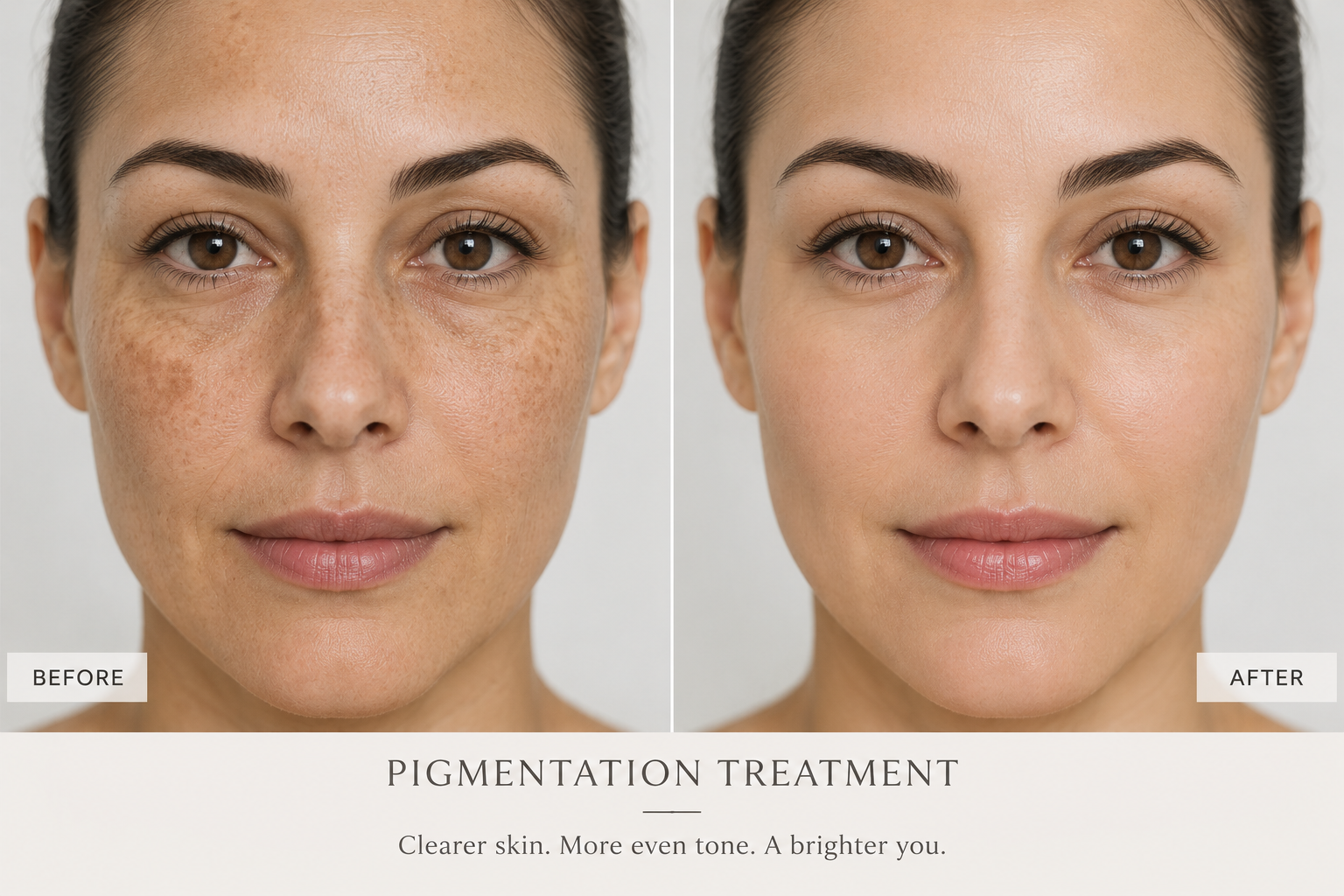
Laser Treatment for Pigmentation
Laser treatment can be useful for selected types of pigmentation, but there is no single “pigmentation laser” that is suitable for every dark spot.
Different wavelengths interact with pigment at different depths.
Fraxel Dual, for example, may be considered when pigmentation appears alongside sun damage, fine lines or uneven skin texture. Rather than focusing only on one isolated spot, fractional treatment can be useful when the overall quality and tone of the skin are also part of the concern.
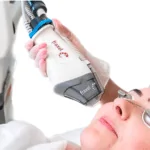
The 1927 nm Thulium laser works more superficially and may be considered for sun damage, uneven pigmentation and overall skin tone.
Q-Switch and other pigment-targeting lasers can also have a role in selected cases. The choice depends on the pigmentation and skin type rather than simply selecting a device because a dark spot is present.
Cosmelan and Dermamelan
Laser is not always the first or only option.
Cosmelan and Dermamelan are professional depigmentation programmes designed to help manage excessive and uneven pigmentation.
Unlike a one-off device treatment, these programmes typically combine an in-clinic stage with continued home care. They may be considered for more widespread or recurring pigmentation where controlling pigment production is part of the treatment goal.
Pigmentation Treatment for Darker Skin Tones
Skin tone is an important consideration when treating pigmentation.
Medium and darker skin tones may be more prone to developing additional pigmentation after inflammation or irritation. This is known as post-inflammatory hyperpigmentation.
It does not mean that darker skin cannot be treated. It means that the treatment method, energy settings and intensity need to be selected with greater care.
For an international clinic treating patients from different backgrounds, using the same pigmentation protocol for every skin tone would not make sense.
How Many Pigmentation Treatment Sessions Are Needed?
There is no fixed number of sessions.
A small isolated sun spot may need a very different treatment plan from widespread pigmentation that has developed over several years.
The number of treatments depends on:
- Type of pigmentation
- Treatment selected
- Size of the area
- Skin tone
- Depth of pigment
- Response to treatment
Some treatments are performed as a course, while others may require fewer clinic visits.
For patients travelling to Istanbul, this is worth discussing before booking flights so that the treatment plan matches the length of stay.
What Is Recovery Like?
Recovery depends on the procedure.
Some pigmentation treatments cause only temporary redness or sensitivity. Fractional treatments and stronger skin-renewal procedures can involve more visible downtime.
Temporary effects may include:
- Redness
- Sensitivity
- Mild swelling
- Dryness or flaking
- Temporary darkening of treated spots
The skin should be protected carefully from sun exposure during recovery.
Can Pigmentation Come Back?
Yes. Pigmentation treatment can improve existing dark spots, but it cannot permanently prevent the skin from producing pigment.
New sun damage can develop, and some types of pigmentation are naturally more likely to return.
This makes daily sun protection an important part of maintaining the result.
Broad-spectrum sunscreen, sensible sun exposure and an appropriate skincare routine can help reduce the risk of new or recurrent pigmentation.
When Should a Dark Spot Be Checked Before Treatment?
Not every dark mark should automatically be treated as cosmetic pigmentation.
Medical assessment is particularly important if a spot:
- Changes in size, shape or colour
- Has irregular borders or several colours
- Bleeds
- Repeatedly crusts
- Changes noticeably over time
- Looks different from the other spots on your skin
When the nature of a pigmented lesion is uncertain, it should be assessed before cosmetic laser or pigmentation treatment is considered.
Pigmentation Treatment in Istanbul
For international patients considering pigmentation treatment in Istanbul, choosing the right procedure is particularly important because not every treatment can be completed during a single visit.
At Quartz Clinique, the treatment plan is based on the pigmentation type, skin tone, previous treatments and the amount of time the patient will be staying in Istanbul.
Some treatments can fit easily into a short trip. Others may require several sessions or continued skincare after returning home.
If you are travelling to Istanbul specifically for pigmentation treatment, sharing your travel dates before your appointment can help us plan a treatment that realistically fits your stay.
Pigmentation Treatment Cost in Istanbul
The cost of pigmentation treatment in Istanbul depends on the type of pigmentation and the treatment recommended.
Factors that can affect the price include:
- Treatment method
- Size of the treatment area
- Number of sessions
- Technology or products used
- Whether a combination approach is needed
For example, treating one isolated sun spot is very different from managing widespread facial pigmentation.
An individual assessment is therefore needed before an accurate treatment plan and cost can be provided.
Frequently Asked Questions
What is the best treatment for pigmentation?
There is no single best treatment. The right option depends on the cause and depth of the pigmentation, skin tone and treatment history.
Can laser remove dark spots?
Selected dark spots can respond to laser treatment. However, not every type of pigmentation is suitable for the same laser, so the pigmentation should be assessed first.
Can post-acne dark spots be treated?
Yes. Flat brown or grey marks left after acne can often be improved. They should first be distinguished from true acne scars, which involve changes in skin texture.
Can pigmentation be treated on darker skin?
Yes. Treatment needs to be selected carefully because medium and darker skin tones can be more susceptible to post-inflammatory hyperpigmentation.
How long does pigmentation treatment take to work?
This depends on the type of pigmentation and treatment used. Some concerns may improve relatively quickly, while widespread or recurring pigmentation may require a longer treatment plan.
Can pigmentation return after treatment?
Yes. New pigmentation can develop, particularly with continued sun exposure. Sun protection and appropriate skincare are important for maintaining results.
Can I have pigmentation treatment during a short trip to Istanbul?
Some treatments can be performed during a short stay, while others require multiple sessions. Your travel schedule should be considered before treatment begins.
References
- American Academy of Dermatology Association. Hyperpigmentation and Melasma – Diagnosis and Treatment.
- DermNet. Postinflammatory Hyperpigmentation.
- Grimes PE. Management of Hyperpigmentation in Darker Racial Ethnic Groups.
Content Responsibility and Medical Review

Medical expert
Medical Aesthetic Physician
Dr. Nur Afşar has been practicing in the field of medical aesthetics for over seven years. She has experience in a range of non-surgical aesthetic treatments, particularly Botox, dermal fillers, mesotherapy, and skin rejuvenation procedures. Her approach to treatment planning focuses on achieving natural and balanced results.
Medical content lead for Pigmentation Treatment: Dr. Nur Afşar
Last updated: