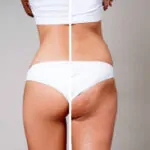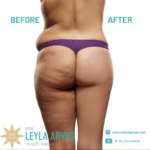
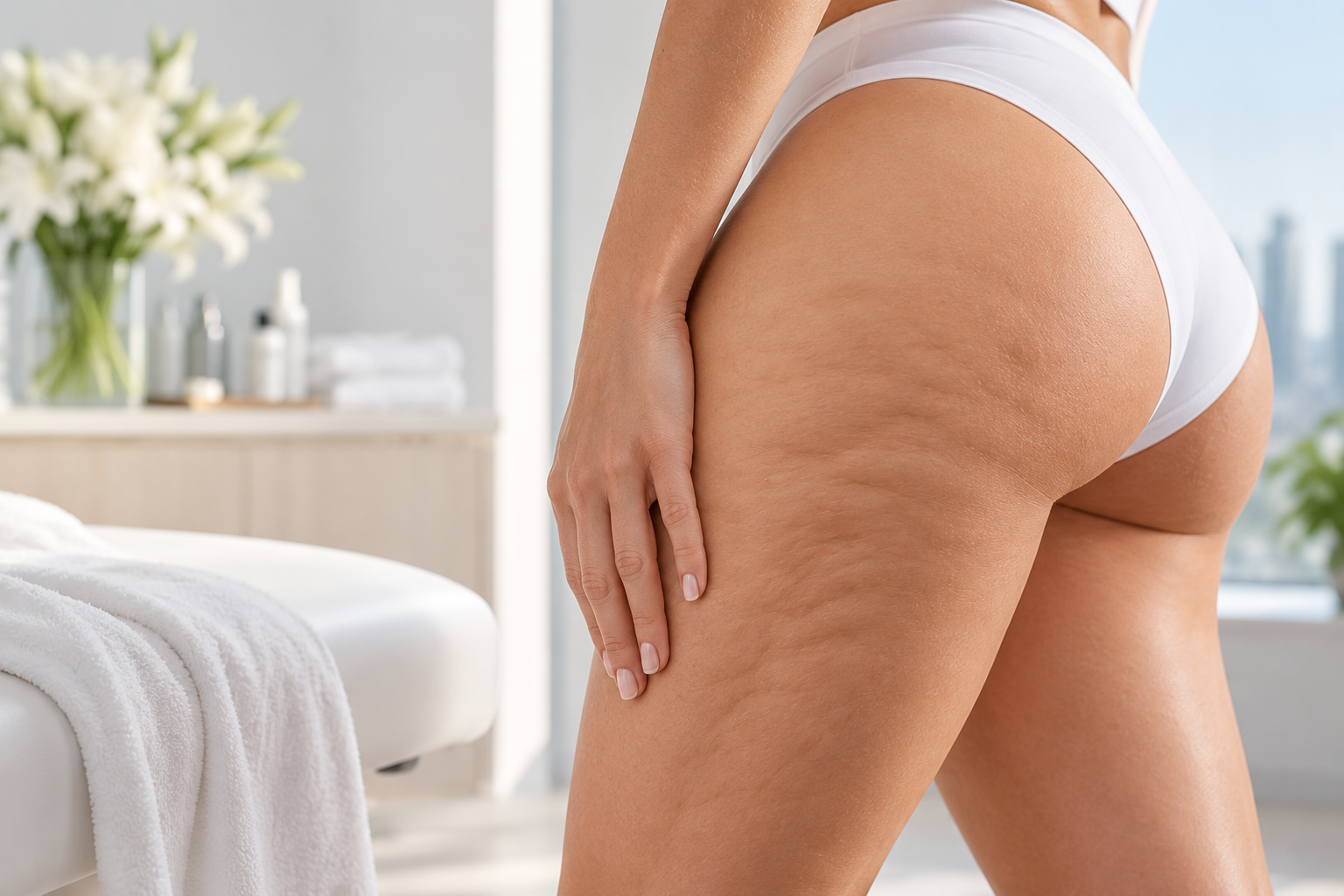
Cellulite is the dimpled or uneven appearance of the skin that most commonly develops on the thighs, buttocks and hips. It is extremely common and can occur regardless of body weight or fitness level.
The appearance of cellulite is influenced by the structure of connective tissue beneath the skin, fat distribution, skin quality and individual anatomy. For this reason, there is no single cellulite treatment that is suitable for everyone.
At Quartz Clinique in Istanbul, treatment is planned according to the degree of dimpling, skin laxity, tissue quality and the areas affected.
What Is Cellulite?
Cellulite develops when changes in the relationship between subcutaneous fat, connective tissue and the skin create an uneven surface.
It may appear as mild rippling, visible dimples or deeper depressions, particularly when standing or when the muscles are contracted.
Cellulite is not simply caused by excess weight. Hormonal factors, genetics, skin thickness, connective tissue structure and changes in skin elasticity can all influence its appearance.
Where Does Cellulite Usually Appear?
Cellulite can develop in several areas of the body, but it is particularly common on the:
- Thighs
- Buttocks
- Hips
- Upper legs
- Abdomen
- Upper arms
Treatment should be selected according to what is causing the uneven appearance rather than the location alone.
Cellulite Treatments at a Glance
| Treatment Approach | Main Purpose |
|---|---|
| RF Microneedling / Morpheus8 | Improving skin quality, firmness and texture when laxity is also present |
| Radiofrequency Treatments | Supporting skin tightening and improving the appearance of uneven texture |
| Subcision | Releasing selected fibrous bands associated with deeper cellulite dimples |
| Combination Treatment | Addressing dimpling, skin quality and laxity with a personalised approach |
How Is Cellulite Treated?
The appropriate treatment depends on the type of cellulite and the structures contributing to its appearance.
A patient with deeper, isolated dimples may require a different approach from someone whose main concern is widespread uneven texture combined with loose skin.
For this reason, cellulite treatment may focus on fibrous bands beneath the skin, skin firmness and texture, or a combination of these factors.
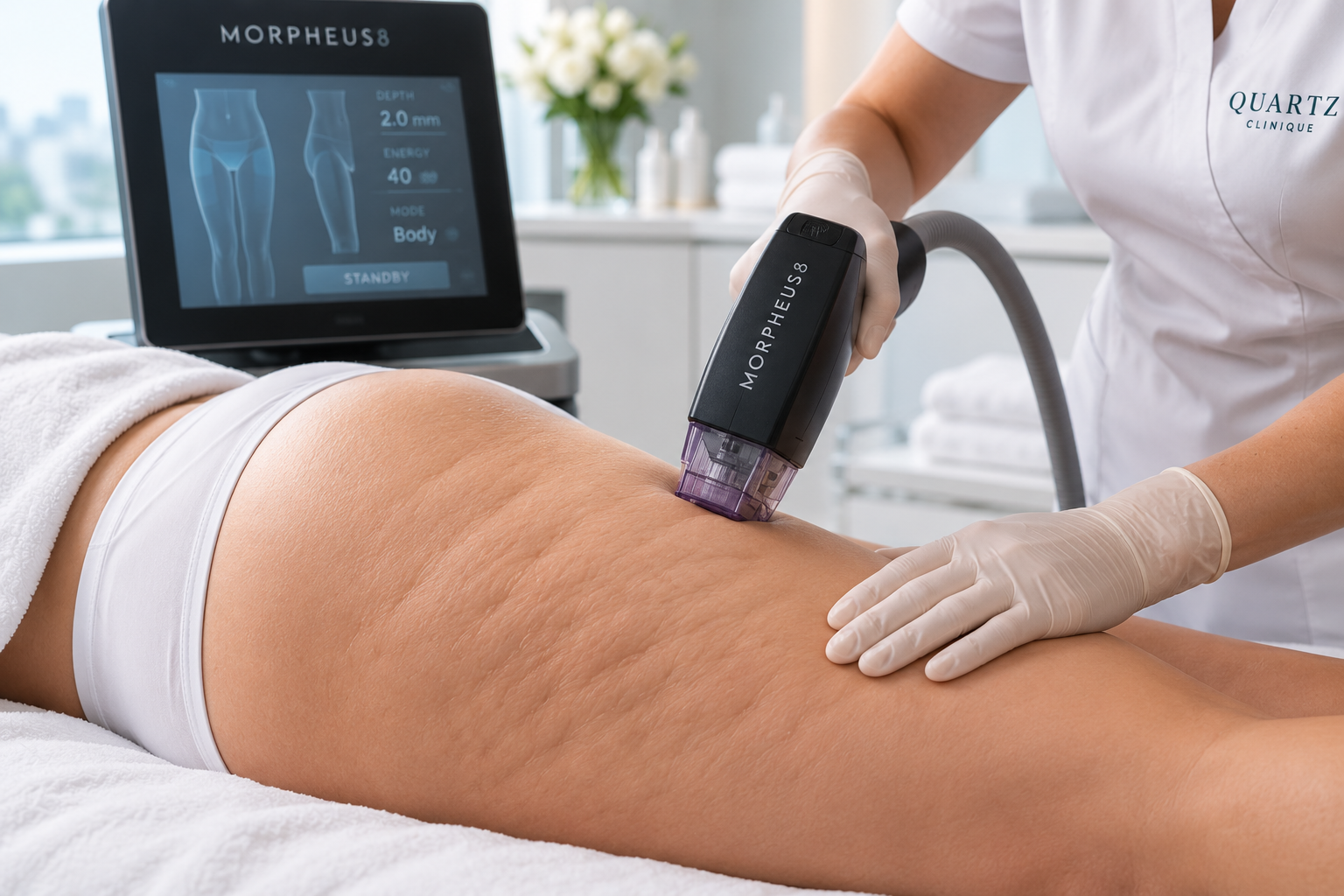
Morpheus8 and RF Microneedling for Cellulite
RF microneedling combines controlled needle penetration with radiofrequency energy delivered into selected tissue depths.
Treatments such as Morpheus8 may be considered when cellulite is accompanied by reduced skin firmness or uneven texture. The aim is to stimulate collagen remodelling and improve the quality of the overlying skin.
Treatment settings and depth should be selected according to the body area, skin characteristics and individual concern.
Radiofrequency Treatment for Cellulite
Radiofrequency treatments use controlled thermal energy to heat selected tissue layers.
Depending on the technology used, RF treatment may help improve skin firmness and make uneven texture appear smoother, particularly when skin laxity contributes to the appearance of cellulite.
Radiofrequency does not physically release deeper fibrous bands, so patients with pronounced individual dimples may require a different or combined approach.
Subcision for Cellulite
Some cellulite dimples are associated with fibrous connective tissue bands that pull the skin downward.
In selected patients, subcision can be used to release these bands beneath the skin and reduce the appearance of deeper depressions.
Subcision is not necessary for every type of cellulite. It is generally considered when specific tethered dimples are present rather than for widespread mild skin irregularity.
Combination Cellulite Treatment
Cellulite often involves more than one structural factor. A patient may have deeper dimples together with reduced skin firmness or uneven texture.
In these cases, combining treatments may be more appropriate than relying on a single method. The treatment plan can therefore be tailored to address the specific characteristics contributing to the cellulite.
Can Cellulite Be Completely Removed?
Cellulite treatment should aim for improvement rather than guaranteed complete removal.
The degree of improvement depends on the type and severity of cellulite, skin quality, anatomy and treatment selected.
Even after successful treatment, changes in skin elasticity, weight, hormones and the natural ageing process can affect the appearance of the treated area over time.
How Many Cellulite Treatment Sessions Are Needed?
There is no universal number of sessions.
The treatment plan depends on:
- Severity and type of cellulite
- Areas being treated
- Presence of deeper dimples
- Skin laxity and quality
- Treatment method
- Individual response
Some procedures may be planned differently from treatments that require a series of sessions, so the number of treatments should be determined after assessment.
Cellulite Treatment in Istanbul, Turkey
International patients considering cellulite treatment in Istanbul can have the affected areas assessed to determine which approach is most appropriate.
At Quartz Clinique, treatment planning may include RF-based technologies, Morpheus8, subcision or a combination approach depending on the patient’s skin quality and type of cellulite.
Patients travelling to Istanbul can share photographs before their visit for an initial assessment and treatment planning.
Cellulite Treatment Cost in Istanbul
The cost of cellulite treatment in Istanbul varies according to the individual treatment plan.
Factors that may affect the price include:
- Treatment area
- Severity of cellulite
- Treatment method
- Number of areas treated
- Number of sessions required
- Whether combination treatment is recommended
An individual assessment is required to determine the appropriate treatment and current price.
Frequently Asked Questions
What is the best treatment for cellulite?
There is no single best treatment for every type of cellulite. Deeper tethered dimples, skin laxity and widespread uneven texture may require different approaches.
Can cellulite be completely removed?
Complete removal cannot be guaranteed. Treatment aims to reduce dimpling and improve the overall appearance and texture of the skin.
Is Morpheus8 suitable for cellulite?
Morpheus8 may be considered when reduced skin firmness and uneven texture contribute to the appearance of cellulite. It does not address every structural cause of cellulite, so suitability should be assessed individually.
Does subcision work for cellulite?
Subcision may be considered for selected cellulite dimples caused by fibrous bands pulling the skin downward. It is not required for every patient.
Can cellulite treatment be performed on the thighs and buttocks?
Yes. The thighs and buttocks are among the most commonly treated areas. The appropriate method depends on the type of cellulite and skin quality.
References
- American Academy of Dermatology — Cellulite treatments and available approaches.
- Peer-reviewed dermatology literature on the anatomy and treatment of cellulite.
- Clinical literature on subcision and radiofrequency-based treatments for cellulite.
Content Responsibility and Medical Review

Medical expert
Dr. Nur Afşar
Medical Aesthetic Physician
Dr. Nur Afşar has been practicing in the field of medical aesthetics for over seven years. She has experience in a range of non-surgical aesthetic treatments, particularly Botox, dermal fillers, mesotherapy, and skin rejuvenation procedures. Her approach to treatment planning focuses on achieving natural and balanced results.
Medical content lead for Cellulite Treatment: Dr. Nur Afşar
Last updated: