
Abdominoplasty, commonly known as a tummy tuck, is a highly effective surgical procedure designed for individuals who struggle with loose abdominal skin, muscle laxity, and stubborn fat deposits. These issues often develop after pregnancy, significant weight loss, or frequent weight fluctuations and cannot be corrected through diet and exercise alone.
By removing excess skin, addressing localized fat, and repairing weakened abdominal muscles, tummy tuck surgery creates a flatter, firmer, and more proportionate abdominal contour. For many international patients, undergoing abdominoplasty in Istanbul, Turkey offers access to experienced surgeons, modern hospitals, and a high standard of postoperative care. But how does tummy tuck surgery work, and who is it really for?
What Is Tummy Tuck Surgery And What Does It Treat?
Tummy tuck surgery, medically referred to as abdominoplasty, is a cosmetic surgical procedure that removes excess skin and fat from the abdominal area while tightening the underlying abdominal muscles. It is not a weight-loss method but rather a body-contouring surgery aimed at correcting structural and aesthetic problems of the abdomen.
This procedure is particularly effective for patients experiencing:
- Sagging or drooping abdominal skin after pregnancy
- Muscle separation (diastasis recti)
- Loss of abdominal firmness after weight loss
- Persistent abdominal bulging despite exercise
Abdominoplasty provides long-lasting and visible improvement by addressing both the skin and muscle layers of the abdomen.
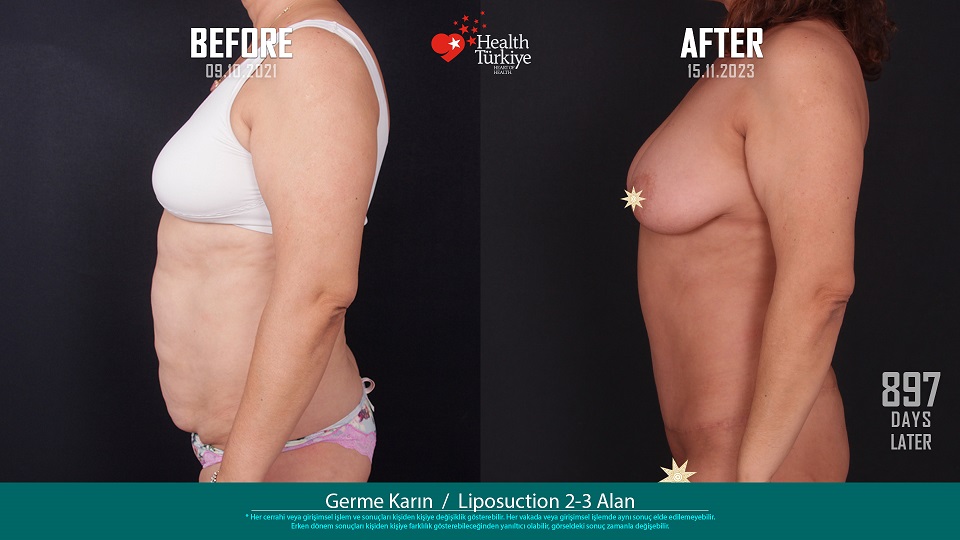
How Is A Tummy Tuck Surgery Performed?
A tummy tuck is performed under general anesthesia and typically takes between two to three hours, depending on the extent of correction required. The procedure follows a carefully planned surgical process to ensure safety and optimal aesthetic results.
The surgical steps generally include:
Anesthesia
- General anesthesia is administered to ensure patient comfort throughout the procedure.
Incision
- A horizontal incision is made just above the pubic area, extending from hip bone to hip bone. The incision is planned to remain hidden beneath underwear or swimwear.
Skin And Fat Removal
- The skin and fat layers are separated from the abdominal muscles. Excess skin and fat are removed, and the remaining tissue is repositioned for a smoother appearance.
Muscle Tightening
- Weakened or separated abdominal muscles are repaired and tightened with sutures. This step is essential for restoring a flat and firm abdominal profile.
Closure And Drain Placement
- The skin is sutured into its new position. In some cases, temporary drains are placed to prevent fluid accumulation during early healing.
Compression And Dressing
- A compression garment is applied to reduce swelling, support healing, and help maintain the new contour.
What Are The Different Types Of Tummy Tuck Surgery?
Tummy tuck surgery can be customized based on the patient’s anatomy, degree of skin laxity, and amount of fat accumulation. The most common types include:
What Is A Full Tummy Tuck?
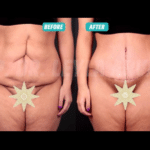
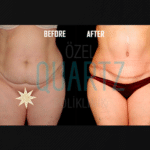
A full tummy tuck is the most comprehensive form of abdominoplasty. It is recommended for patients with significant skin sagging, stretch marks, muscle weakness, and fat accumulation across the entire abdomen.
During a full tummy tuck:
- Excess skin and fat are removed
- Abdominal muscles are repaired
- The belly button is repositioned
- Hernias or muscle weakness can be corrected
The scar is placed low on the abdomen, close to the groin, and fades gradually over time. While initially visible, it becomes lighter and less noticeable within months.
What Is A Mini Tummy Tuck?
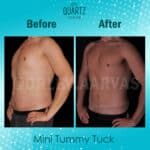
A mini tummy tuck is a less invasive option focusing on the lower abdomen below the belly button. It is suitable for patients with mild skin laxity and minimal muscle separation.
Key characteristics of mini abdominoplasty include:
- Smaller incision
- No repositioning of the belly button
- Shorter operation time (1–2 hours)
- Faster recovery
Mini tummy tuck does not involve fat removal and is primarily recommended for patients whose main concern is loose skin rather than excess fat. It is not performed during breastfeeding.
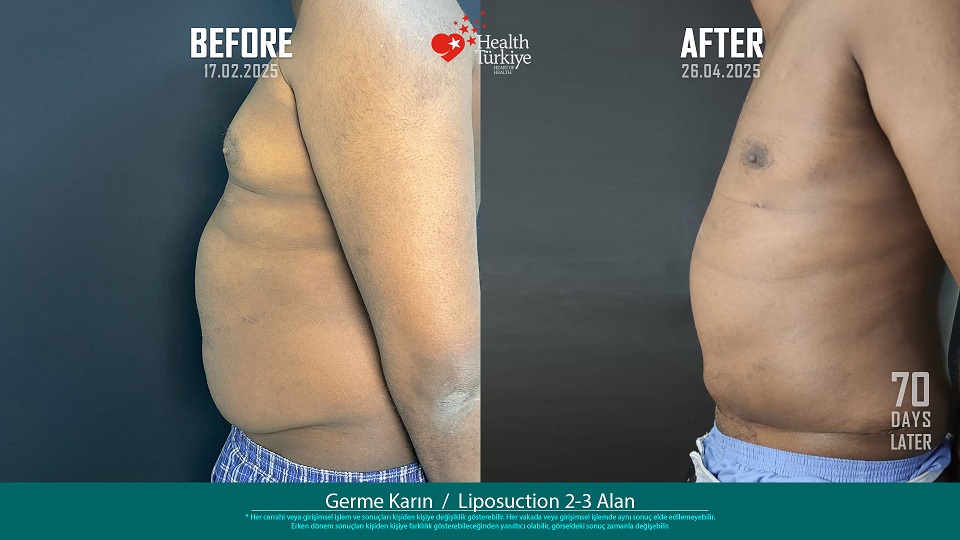
What Is An Extended Tummy Tuck?
An extended tummy tuck is designed for patients with excess skin and fat extending beyond the abdomen to the flanks and waistline.
This procedure includes:
- Standard tummy tuck correction
- Additional contouring of the sides and lower back
- Longer incision to address wider skin laxity
- It is often chosen after massive weight loss.
Who Is A Good Candidate For Tummy Tuck Surgery?
Tummy tuck surgery is ideal for carefully selected patients. Suitable candidates typically include:
- Individuals in good overall health
- Patients who have completed pregnancy and breastfeeding
- Those with stable body weight
- Individuals with excess abdominal skin or muscle laxity
- Non-smokers or those willing to stop smoking
It is important to note that abdominoplasty is not recommended for overweight individuals or as a primary weight-loss solution. Weight loss should be completed before surgery to ensure long-term results.
How Much Does Tummy Tuck Surgery Cost?
The cost of tummy tuck surgery varies depending on:
- Type of abdominoplasty performed
- Whether VASER Liposuction is combined
- Hospital facilities and aftercare services
For Turkish Ministry of Health–accredited centers, it is not legally permitted to publish fixed prices online. Patients are advised to contact the clinic directly for a personalized evaluation and detailed cost information.
What Are The Benefits Of Tummy Tuck Surgery?
Abdominoplasty offers both aesthetic and functional benefits. Patients often experience improvements not only in appearance but also in physical comfort.
Key benefits include:
- Flatter and firmer abdomen
- Improved body proportions
- Correction of abdominal muscle separation
- Reduction of stretch marks on lower abdomen
- Improved posture and reduced back discomfort
- Long-lasting aesthetic results
Many patients also report increased confidence and comfort in clothing following the procedure.
How Long Do Tummy Tuck Results Last?
Tummy tuck results are long-lasting, especially when patients maintain a stable weight and healthy lifestyle. The removed skin and fat do not return; however, significant weight gain or future pregnancies may affect the results.
Regular exercise and balanced nutrition help preserve the surgical outcome for many years.
What Is The Recovery Process Like After A Tummy Tuck?
Recovery after abdominoplasty requires patience and adherence to medical instructions.
Immediately after surgery:
- Hospital stay of one night is usually required
- Mild to moderate pain is managed with medication
- Swelling and bruising are expected
During recovery:
- Compression garment is worn for approximately one month
- Daily activities resume gradually within 2–3 weeks
- Scars appear pink or purple for several months before fading
Pregnancy is not recommended for at least one year after surgery to protect results.
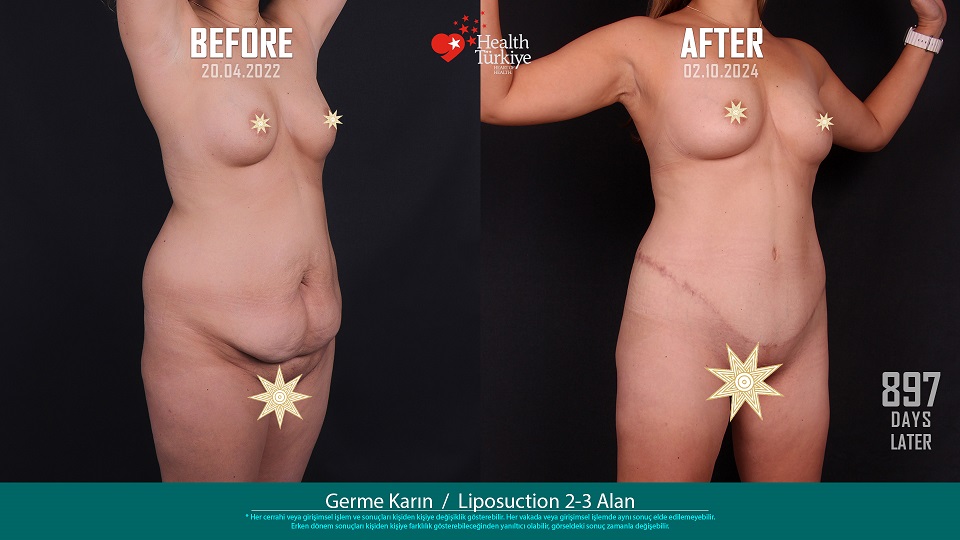
Are Tummy Tuck Scars Worth It?
Tummy tuck surgery does leave a scar; however, it is strategically placed low on the abdomen to remain hidden by underwear. Over time, scars fade significantly and become less noticeable.
Scar quality depends on:
- Skin type
- Surgical technique
- Postoperative care
Proper wound care, sun protection, and scar treatments can greatly improve scar appearance.
What Are The Risks Of Tummy Tuck Surgery?
As with all major surgeries, tummy tuck carries potential risks, including:
- Bleeding
- Infection
- Seroma formation
- Temporary numbness
- Scarring
- Anesthesia-related complications
- Blood clots
Choosing an experienced surgeon and accredited medical facility significantly reduces these risks.
How Does Tummy Tuck Compare To Mini Tummy Tuck?
| Procedure | Recovery Time | Muscle Repair | Scar Length | Ideal Candidate |
|---|---|---|---|---|
| Mini Tummy Tuck | 1–2 weeks | Lower abdomen only | Short | Mild skin laxity |
| Full Tummy Tuck | 3–4 weeks | Entire abdomen | Longer (hidden) | Significant sagging |
Why International Patients Choose Istanbul For Tummy Tuck Surgery
Istanbul has become a global hub for aesthetic surgery thanks to its experienced surgeons, advanced hospitals, and strong focus on international patient care. Clinics in districts such as Nişantaşı offer modern infrastructure and coordinated medical tourism services, making the treatment journey smooth and secure for patients traveling from abroad.
Frequently Asked Questions
Is tummy tuck surgery painful?
The procedure is performed under general anesthesia, and postoperative discomfort is manageable with medication.
Can tummy tuck be combined with liposuction?
Yes, abdominoplasty is often combined with VASER Liposuction for enhanced contouring.
When can I return to normal life?
Most patients resume daily activities within 2–3 weeks.
Is tummy tuck suitable for men?
Yes, tummy tuck surgery is effective for male patients with abdominal skin laxity.
Are results permanent?
Results are long-lasting with weight stability and healthy habits.
References
- Matarasso A. Abdominoplasty and Abdominal Contouring. Plastic and Reconstructive Surgery. PMID: 14504527
- Nahas FX. Abdominal Wall Repair in Abdominoplasty. Aesthetic Plastic Surgery. DOI: 10.1007/s00266-010-9534-1
Content Responsibility and Medical Review

Medical expert
Specialist in Plastic, Reconstructive and Aesthetic Surgery
Leyla Arvas graduated from Istanbul University, Istanbul Faculty of Medicine in 1998 and is a specialist in Plastic, Reconstructive and Aesthetic Surgery.
Dr. Leyla Arvas sees patients at her private practice and performs her surgeries at Acıbadem Hospital and Memorial Hospital, both of which are accredited by the Joint Commission International (JCI).
Medical content lead for Tummy Tuck Surgery (Abdominoplasty): MD, Leyla Arvas, MD
Last updated:
Sources
- Academic / Scientific Source MedlinePlus — Weight Control
- Medical Authority / Professional Organisation ASPS — Body Contouring