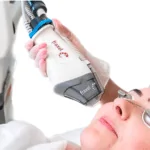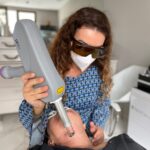

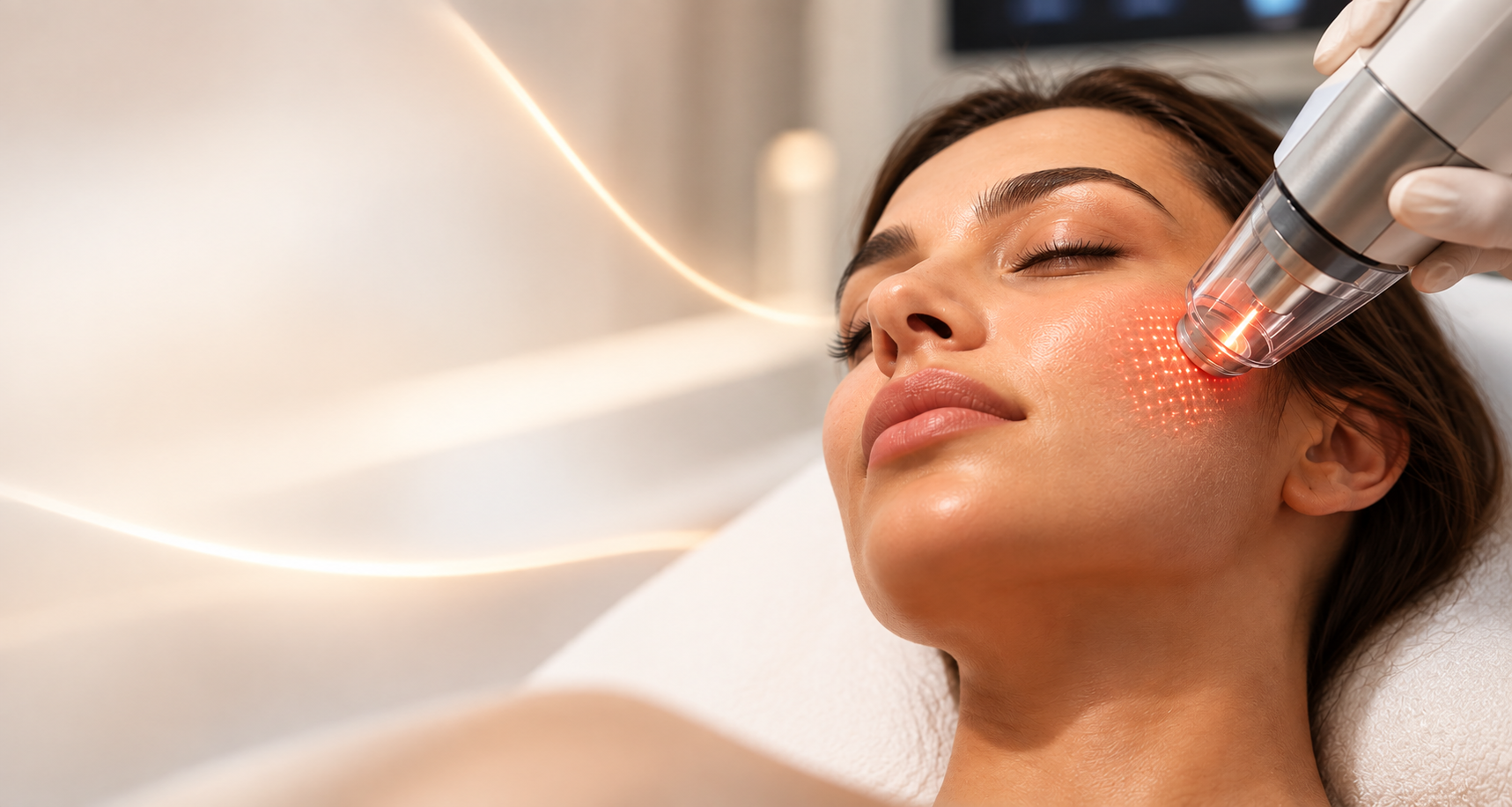
Fractional laser treatment is used to improve skin texture by treating thousands of microscopic areas while leaving surrounding skin intact. This controlled approach encourages the skin’s natural repair and collagen-remodelling processes without treating the entire surface at once.
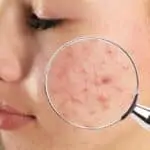
Often searched as fractional laser resurfacing or laser skin resurfacing, the treatment can be considered for concerns such as acne scars, uneven texture, enlarged pores, fine lines and selected pigmentation.
At Quartz Clinique in Istanbul, the type and intensity of fractional laser treatment are selected according to the patient’s skin, concern and expected recovery time.
What Can Fractional Laser Treat?
Fractional laser is not used for just one skin concern. Depending on the laser technology and treatment settings, it may be considered for:
- Acne scars
- Uneven skin texture
- Enlarged pores
- Fine lines
- Sun-damaged skin
- Selected pigmentation concerns
- Surgical or traumatic scars
- Selected stretch marks
The same settings are not appropriate for every concern. Treating an acne scar, for example, requires a different approach from treating superficial pigmentation.
How Does Fractional Laser Work?
Instead of treating the entire skin surface uniformly, fractional technology creates microscopic treatment zones within the skin.
The surrounding untreated tissue remains intact, helping support the healing process. As the skin recovers, collagen remodelling takes place within the treated areas.
Treatment depth and intensity can be adjusted according to the skin concern and the type of fractional laser being used.
Fractional Laser Treatments at a Glance
| Skin Concern | Treatment Focus |
|---|---|
| Acne Scars | Improving selected depressed scars and uneven texture |
| Enlarged Pores & Texture | Skin resurfacing and collagen remodelling |
| Fine Lines | Improving selected superficial signs of skin ageing |
| Sun Damage & Pigmentation | Targeting selected areas of uneven pigmentation |
| Scars | Improving the texture of selected surgical or traumatic scars |
| Stretch Marks | Improving texture in selected stretch marks |
Fractional Laser for Acne Scars
Acne scarring is one of the most common reasons patients consider fractional laser resurfacing.
Fractional laser can be used to stimulate collagen remodelling within selected depressed acne scars and improve the transition between the scar and surrounding skin.
However, acne scars are not all the same. Rolling, boxcar and ice-pick scars have different structures, and laser treatment alone may not be the best approach for every scar.
For this reason, treatment may sometimes be combined with another technique depending on the scar pattern.
Fractional Laser for Enlarged Pores and Uneven Texture
Patients do not always have one clearly defined skin problem. Sometimes the main concern is simply that the skin looks rough, pores appear more visible or the surface has become uneven.
Fractional resurfacing can be used to improve overall texture by stimulating controlled renewal and collagen remodelling.
The objective is not to create completely poreless skin, but to improve the appearance of texture and visible pores where appropriate.
Fractional Laser for Pigmentation and Sun Damage
Certain fractional laser technologies can also target sun damage and uneven pigmentation.
The appropriate laser depends on the type and depth of pigmentation. Not every dark spot should automatically be treated with a laser, and conditions such as melasma require particularly careful assessment because inappropriate treatment can worsen pigmentation.
Patients with darker skin tones may also have a greater risk of post-inflammatory hyperpigmentation following some laser procedures, making appropriate laser selection and treatment settings especially important.
Ablative vs Non-Ablative Fractional Laser
Not every fractional laser works in the same way.
Ablative fractional lasers create microscopic columns that remove portions of skin tissue. They can provide more intensive resurfacing but generally involve more recovery.
Non-ablative fractional lasers heat controlled areas beneath the skin while leaving the surface more intact. Recovery is generally lighter, although the treatment goals and results differ.
Neither approach is automatically better. The appropriate option depends on the skin concern, skin type and amount of downtime the patient can accommodate.
Fraxel Dual and Fractional Laser Treatment
Fraxel Dual is a specific non-ablative fractional laser system rather than another name for fractional laser treatment.
It combines two wavelengths—1550 nm and 1927 nm—which can be selected according to different skin concerns and treatment depths.
Patients specifically interested in this technology can read more on our [Internal link → Fraxel Dual Laser] page.
What Is Recovery Like After Fractional Laser?
Recovery varies significantly according to the laser technology and treatment intensity.
Temporary redness, warmth, swelling, dryness or flaking can occur following treatment. More intensive resurfacing generally requires a longer recovery period than lighter fractional treatments.
Sun protection is particularly important during the healing period because recently treated skin may be more sensitive to UV exposure and pigmentation changes.
How Many Fractional Laser Sessions Are Needed?
There is no fixed number of sessions suitable for everyone.
A lighter treatment plan may involve several sessions, while a more intensive resurfacing approach may follow a different schedule. Scar depth, pigmentation, skin condition and the laser technology used all influence the treatment plan.
Progress should be evaluated as the skin heals between treatments.
When Will I See Results?
Some changes in skin texture may become noticeable as the skin recovers, while collagen remodelling develops more gradually.
The timing of results depends on the treatment intensity and the concern being addressed. Acne scars and deeper texture irregularities, for example, may require a different treatment course from superficial skin concerns.
Fractional Laser Treatment in Istanbul, Turkey
For international patients considering fractional laser treatment in Istanbul, treatment planning should take recovery time into account.
Patients can share photographs of their skin before travelling for an initial assessment. However, pigmentation, skin type and scar structure are best evaluated directly before the final laser settings and treatment plan are determined.
If visible redness, peeling or other temporary skin changes are expected, these should also be considered when arranging flights, work or social plans after treatment.
Fractional Laser Treatment Cost in Istanbul
The cost of fractional laser treatment in Istanbul varies according to:
- Treatment area
- Skin concern
- Type of fractional laser
- Treatment intensity
- Number of sessions
- Whether combination treatment is required
An individual assessment is necessary to determine the appropriate treatment and current price.
Frequently Asked Questions
Is fractional laser good for acne scars?
Fractional laser can improve selected acne scars by stimulating collagen remodelling and improving uneven texture. The most appropriate treatment depends on the type and depth of the scars.
Is fractional laser the same as Fraxel?
No. Fractional laser describes a broader treatment approach. Fraxel is a specific brand of fractional laser technology.
How long does fractional laser recovery take?
Recovery depends on whether the treatment is ablative or non-ablative and on the treatment intensity. Redness, swelling, dryness or flaking may occur temporarily.
Can fractional laser treat pigmentation?
Selected fractional laser technologies can be used for certain pigmentation concerns. The cause of pigmentation and skin type should be assessed first, particularly in patients prone to post-inflammatory hyperpigmentation.
Does fractional laser permanently remove acne scars?
Fractional laser can improve the appearance of selected acne scars, but complete or permanent scar removal should not be expected.
References
- American Academy of Dermatology — Laser treatment and skin resurfacing information.
- American Society for Dermatologic Surgery — Laser and light-based skin treatments.
- Peer-reviewed dermatology literature on fractional photothermolysis and fractional laser resurfacing for acne scars and skin texture.
Content Responsibility and Medical Review
Medical expert
Specialist in Plastic, Reconstructive and Aesthetic Surgery
Leyla Arvas graduated from Istanbul University, Istanbul Faculty of Medicine in 1998 and is a specialist in Plastic, Reconstructive and Aesthetic Surgery.
Dr. Leyla Arvas sees patients at her private practice and performs her surgeries at Acıbadem Hospital and Memorial Hospital, both of which are accredited by the Joint Commission International (JCI).
Medical content lead for Fractional Laser Treatment: MD, Leyla Arvas, MD
Last updated: