
An enlarged prostate can gradually change everyday routines. You may find yourself getting up several times during the night, waiting longer for urination to begin or feeling that your bladder is never completely empty.
These symptoms can develop slowly, making it easy to put off treatment until they start affecting sleep, travel or daily activities.
Medication helps many men with benign prostatic hyperplasia (BPH), but it does not work equally well for everyone. Some continue to experience urinary problems despite treatment, while others find the side effects difficult to tolerate.
Rezum treatment offers another option. It uses controlled water vapor energy to reduce the prostate tissue responsible for obstructing urine flow. The procedure is minimally invasive, does not involve an external surgical incision and is designed to relieve symptoms without removing the prostate.
For men considering Rezum treatment in Istanbul, Turkey, understanding the recovery period is particularly important. The procedure itself is relatively short, but improvement takes time, and a temporary urinary catheter is commonly needed afterwards.
How Does Rezum Treatment Work?
The prostate sits just below the bladder and surrounds part of the urethra, the tube through which urine leaves the body.
As the prostate enlarges, it can press against the urethra and restrict urine flow. This may cause a weak stream, difficulty starting urination, frequent trips to the bathroom or the feeling that urine remains in the bladder.
Rezum addresses this obstruction using water vapor.
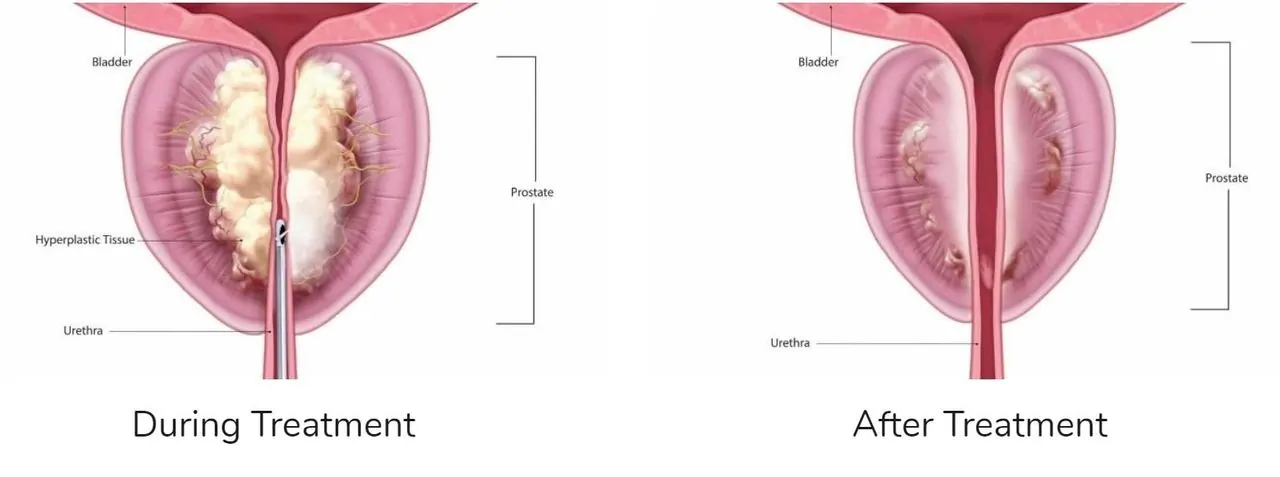
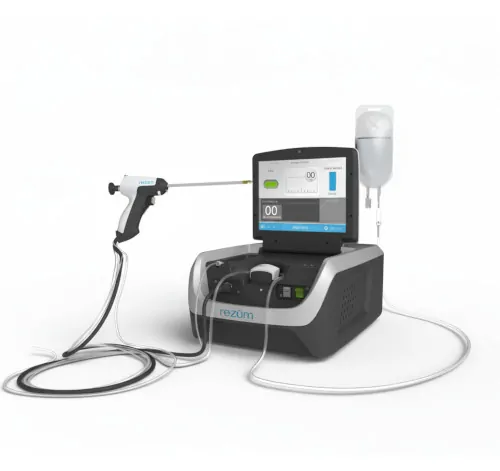
During treatment, a specialised instrument is passed through the urethra. Small, controlled doses of steam are delivered into selected areas of enlarged prostate tissue. The thermal energy damages the targeted cells, which the body gradually breaks down and absorbs.
As the treated tissue shrinks, pressure on the urethra can decrease, allowing urine to pass more easily.
Unlike procedures that remove prostate tissue immediately, Rezum relies on a gradual response. This explains why urinary symptoms may take several weeks to improve.
When Might Rezum Be Worth Considering?
Not every man with an enlarged prostate needs a procedure. Mild symptoms can sometimes be managed through monitoring, changes in daily habits or medication.
Rezum becomes more relevant when urinary symptoms are interfering with quality of life and medication is either insufficient or undesirable.
Common reasons for seeking treatment include:
- Waking repeatedly at night to urinate
- A weak, slow or interrupted urine stream
- Difficulty starting urinationFrequent or urgent urinationA persistent sensation of incomplete bladder emptying
- Ongoing symptoms despite medication
However, these complaints are not exclusive to BPH. Bladder conditions, infections, urethral narrowing and other medical problems can produce similar symptoms.
A urological assessment is therefore necessary before deciding that the prostate is responsible.
Does Prostate Size Matter?
Prostate size is one of the factors used to determine whether Rezum is appropriate.
The American Urological Association’s 2021 guideline describes water vapor thermal therapy as an option for appropriately selected men with prostate volumes of approximately 30–80 cc.
This does not mean that every man within this range is automatically suitable, or that treatment decisions can be made from prostate size alone.
The shape of the prostate, the location of obstructing tissue, bladder function, residual urine and previous treatments all influence the decision.
Men with particularly large prostates, certain complications of obstruction or other urological conditions may benefit more from a different approach.
What Happens During the Rezum Procedure?
Rezum is performed through the natural urinary passage, so there are no external incisions.
Anaesthesia may involve local anaesthesia with sedation or another appropriate technique, depending on the patient and treatment setting.
The urologist introduces a specialised instrument through the urethra and identifies the areas of prostate tissue responsible for the obstruction.
Controlled water vapor is then delivered into those areas. Each application lasts only a few seconds, although several applications may be required depending on the size and configuration of the prostate.
The treatment itself often takes around 10–20 minutes. Preparation, anaesthesia and observation afterwards make the overall appointment longer.
Many patients can leave the treatment facility on the same day, provided their condition allows it.
A urinary catheter is commonly placed after the procedure because temporary swelling can make urination difficult during the first stage of recovery.
The First Week: What Patients Should Know
One of the most important things to understand about Rezum is that the prostate does not shrink immediately.
The steam produces a controlled inflammatory response in the treated tissue. During the first few days, swelling can temporarily make urinary symptoms more noticeable rather than better.
You may experience burning during urination, increased frequency, urgency, pelvic discomfort or small amounts of blood in the urine.
A catheter is often required for several days while the swelling settles. Some patients need it for longer, particularly if they had difficulty emptying the bladder before treatment.
The catheter is removed according to the urologist’s assessment, and the ability to urinate independently is checked.
For anyone travelling from another country, this stage needs to be planned carefully. It would be unwise to assume that a short procedure automatically means an immediate return flight.
When Will Urination Start to Improve?
Rezum works gradually.
Some men begin noticing changes within the first few weeks. Others need longer, particularly when the initial swelling has been significant.
Improvement commonly becomes more noticeable over the following one to three months as the treated prostate tissue is absorbed.
The first few days are not a reliable indication of the final result. In fact, urinary symptoms can temporarily fluctuate during recovery.
Follow-up is useful for assessing urinary flow, bladder emptying and symptom improvement.
The aim is not simply to reduce the size of the prostate on a scan. It is to improve the urinary problems that were affecting everyday life.
Rezum and Sexual Function
For many men researching prostate treatment, sexual function is as important as urinary improvement.
Some procedures used to treat an enlarged prostate can affect ejaculation. Rezum was developed as a tissue-targeted approach intended to reduce obstruction while limiting damage to surrounding structures.
Clinical studies suggest that the risk of new erectile dysfunction is low and that ejaculatory function is often preserved. This is one reason Rezum may appeal to men who want to avoid the sexual side effects associated with some other treatments.
However, preservation cannot be guaranteed. Changes in ejaculation or sexual function remain possible, and existing erectile or ejaculatory problems should be discussed before treatment.
Rezum also does not treat erectile dysfunction or improve sexual performance. Its purpose is to relieve urinary obstruction caused by BPH.
Rezum Compared with Other Prostate Treatments
Rezum is one of several approaches to treating symptomatic benign prostate enlargement.
The choice is not simply between medication and major surgery. Depending on prostate anatomy, symptoms and medical history, alternatives may include TURP, laser surgery or other minimally invasive procedures.
| Treatment | How It Works | What Patients Should Know |
|---|---|---|
| Rezum | Uses water vapor energy to treat obstructing prostate tissue. | Symptoms improve gradually. Temporary catheter use is common. |
| BPH Medication | Relaxes muscles or gradually reduces prostate size, depending on the medication. | Ongoing medication may be needed, and side effects can occur. |
| TURP | Removes obstructing prostate tissue through the urethra. | An established surgical option. Changes in ejaculation are relatively common. |
| HoLEP | Uses laser energy to remove obstructing prostate tissue. | Can be suitable for larger prostates. Recovery and sexual side effects require discussion. |
These treatments are not interchangeable. A procedure that suits someone with moderate enlargement and preserved bladder function may not be appropriate for someone with severe obstruction, repeated urinary retention or a very large prostate.
Rezum should therefore be considered alongside the alternatives, not automatically as a replacement for every type of prostate surgery.
What Are the Risks of Rezum Treatment?
Although Rezum is less invasive than many traditional prostate operations, it is still a medical procedure involving the urinary tract.
Temporary urinary symptoms are relatively common during healing. These may include burning, urgency, frequency, blood in the urine and discomfort.
Other possible complications include urinary tract infection, inability to urinate after catheter removal, prolonged catheter use and persistent urinary symptoms.
Less commonly, more significant infection or other complications may require additional treatment.
Some men do not experience sufficient improvement, while others develop recurrent symptoms over time and eventually need medication or another procedure.
Before treatment, it is important to discuss these possibilities alongside the expected benefits, particularly if you have a history of urinary retention, recurrent infections or previous prostate procedures.
How Long Do Rezum Results Last?
Rezum is intended to provide lasting relief from urinary symptoms, but it should not be described as a permanent cure.
Clinical follow-up studies have reported sustained improvements for several years in appropriately selected patients.
The prostate can continue to change with age, however, and not every patient responds in the same way. Some men may need additional medication or another procedure later.
Long-term results depend partly on the original cause of the symptoms, prostate anatomy and bladder function.
Regular urological follow-up remains useful, even when urination has improved considerably.
Travelling to Istanbul for Rezum Treatment
When planning Rezum treatment in Turkey, the main consideration should not be how quickly the procedure can be completed. It should be how safely the assessment, catheter removal and early recovery can be organised.
Patients travelling from abroad may already have undergone a prostate ultrasound, PSA testing, urine analysis or urinary flow testing in their home country.
These results can be useful during an initial review, although further tests may still be required before confirming treatment.
The urologist needs to establish that the symptoms are caused by benign prostate obstruction and that Rezum is an appropriate option.
The treatment plan should also account for:
- Pre-procedure assessment and any additional investigations
- The planned anaesthesia and treatment setting
- How long a catheter is expected to remain in place
- When catheter removal and a trial of urination will take place
- The possibility that catheter use may need to be extended
- Follow-up arrangements after returning home
A same-day discharge does not necessarily mean that a patient is ready to fly home the same day.
If the catheter cannot be removed as planned or urinary symptoms remain troublesome, additional time in Istanbul may be needed.
Arranging suitable follow-up with a urologist in your home country is also sensible, particularly if you will be travelling soon after treatment.
Rezum Treatment Cost in Turkey
The cost of Rezum treatment in Istanbul depends on the medical assessment, the treatment setting and the services included in the plan.
The quoted amount may cover the procedure itself, but patients should also clarify whether preoperative investigations, anaesthesia, catheter care, medications and follow-up appointments are included.
International patients should ask what happens if catheter removal is delayed or additional medical care becomes necessary before travelling home.
Comparing treatment costs without understanding these details can be misleading.
An individual quotation can be prepared after the urological assessment and confirmation that Rezum is suitable.
Frequently Asked Questions About Rezum Treatment
Is Rezum better than TURP for an enlarged prostate?
Rezum and TURP treat the same underlying problem but approach it differently.
TURP physically removes obstructing prostate tissue and has a long-established role in treating urinary obstruction. Rezum uses water vapor to damage selected tissue, which is gradually absorbed over time.
Rezum may be attractive to men who prefer a less invasive procedure and place particular importance on preserving ejaculation. TURP may be more appropriate when stronger or more immediate relief of obstruction is needed, depending on the clinical findings.
The better option is the one that suits the patient’s prostate anatomy, symptoms, bladder function and treatment priorities.
Will I need a catheter after Rezum?
Most patients should expect temporary catheter use after the procedure.
The prostate becomes swollen during the early healing period, which can make it difficult to pass urine normally. A catheter allows the bladder to drain while this swelling begins to settle.
Catheter duration varies. Several days is common, but some men require a longer period, especially if they already had significant obstruction or urinary retention before treatment.
Removal should be planned with the treating urologist rather than according to a fixed travel schedule.
Can Rezum help if I wake up several times at night to urinate?
Night-time urination, known as nocturia, is a common complaint among men with an enlarged prostate.
When prostate obstruction contributes to the problem, relieving that obstruction may improve night-time symptoms.
However, nocturia can also be caused by an overactive bladder, sleep disorders, diabetes, excessive evening fluid intake or other medical conditions.
If the prostate is not the main cause, Rezum may not resolve the problem completely. Identifying the reason for night-time urination is therefore an important part of the assessment.
Does Rezum cause erectile dysfunction or retrograde ejaculation?
Rezum generally has a lower reported risk of sexual side effects than some traditional prostate procedures, and preservation of erectile and ejaculatory function is one of its recognised advantages.
That does not mean the risk is zero. Ejaculatory changes have been reported, and sexual function may also be affected by age, existing medical conditions or medications.
Patients who are particularly concerned about ejaculation or erections should discuss their current sexual function and expectations before choosing a procedure.
How soon can I travel after Rezum treatment in Istanbul?
Travel plans should be based on recovery and catheter management rather than the short duration of the procedure.
A patient may be discharged on the day of treatment but still require a catheter for several days. Before travelling, it is important to know whether catheter removal has been successful, whether urination is adequate and whether any complications need attention.
Some patients may be able to travel with a catheter if medically appropriate and suitable arrangements have been made, but this should be planned in advance.
Allowing flexibility in your return date is usually more sensible than booking the earliest possible flight.
Can Rezum be performed if I have a very large prostate?
Prostate size influences treatment selection.
Established guideline recommendations have commonly focused on men with prostate volumes around 30–80 cc, although research and clinical experience have also examined treatment outside that range.
For a very large prostate, another procedure may offer a more predictable reduction in obstruction.
An ultrasound measurement alone is not enough to make the decision. Prostate shape, the degree of obstruction, bladder function and other medical findings also matter.
Can I stop taking prostate medication after Rezum?
Some men are able to reduce or discontinue BPH medication once urinary symptoms improve, but this should not be assumed before treatment.
Medication may need to continue during the initial healing period because the prostate can remain swollen and urinary symptoms may temporarily worsen.
The decision to change medication should be made after reviewing recovery, urine flow and symptom improvement.
Is Rezum a treatment for prostate cancer?
Rezum is intended for urinary symptoms caused by benign prostatic hyperplasia, not prostate cancer.
An enlarged prostate is not the same as prostate cancer, although the two conditions can sometimes coexist.
When examination findings, PSA results or medical history raise concern about malignancy, further assessment may be required before considering a BPH procedure.
Unlike procedures that remove tissue for laboratory examination, Rezum does not routinely provide a prostate tissue specimen for pathology.
Can prostate enlargement return after Rezum?
Rezum can provide symptom relief lasting several years, but the prostate continues to undergo age-related changes.
Some men may experience recurrent obstruction or insufficient improvement and eventually require another treatment.
This possibility should be part of the original discussion, especially when comparing Rezum with procedures that remove a larger amount of prostate tissue.
What should I do if I cannot urinate after catheter removal?
Difficulty urinating can occur after Rezum because of temporary swelling and irritation.
If you cannot pass urine, particularly when accompanied by increasing lower abdominal pain or pressure, you need prompt medical assessment. The bladder may need to be drained with another catheter.
Fever, chills, severe pain or heavy bleeding also require urgent medical attention.
For international patients, knowing whom to contact in Istanbul and after returning home is an important part of the recovery plan.