
Erectile dysfunction can affect more than sexual activity. When achieving or maintaining an erection becomes difficult, it may also affect confidence and relationships. For men who have not benefited from medication or other treatments, penile implant surgery offers an established surgical option.
A penile implant, also called a penile prosthesis, is a device placed inside the penis to provide the firmness needed for sexual intercourse. Unlike medication, it works mechanically and allows the patient to achieve an erection when desired.
The procedure is usually considered when less invasive treatments have been unsuccessful or are unsuitable. The type of implant is selected according to the patient’s health, anatomy and personal needs.
What Is a Penile Implant?
A penile implant is a medical device surgically placed inside the erectile chambers of the penis. It provides rigidity when natural erections are no longer sufficient for intercourse.
There are different types of implants. Some remain firm but can be bent into position, while others use an internal pump to create and release an erection.
Penile implants are designed to treat erectile dysfunction, not to increase penis size. They also do not directly affect sexual desire.
Types of Penile Implants
The three main options are malleable, two-piece inflatable and three-piece inflatable implants.
Malleable Penile Implant
A malleable implant consists of two flexible rods placed inside the penis. The penis remains relatively firm and can be positioned upwards for intercourse or downwards for concealment.
This type does not require a pump, making it easier to operate for men with limited hand dexterity.
Its main limitation is that the penis remains relatively rigid even when the implant is not being used.
Two-Piece Inflatable Penile Implant
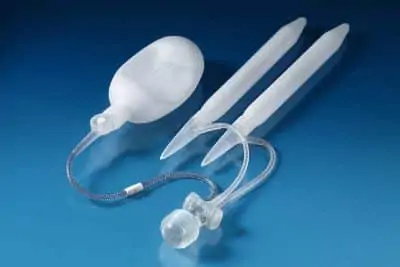
A two-piece implant consists of inflatable cylinders inside the penis and a pump placed in the scrotum.
The patient activates the pump to transfer fluid into the cylinders and create an erection. After intercourse, the fluid can be released to reduce firmness.
This option may be suitable for selected patients who are not ideal candidates for a separate abdominal fluid reservoir.
Three-Piece Inflatable Penile Implant
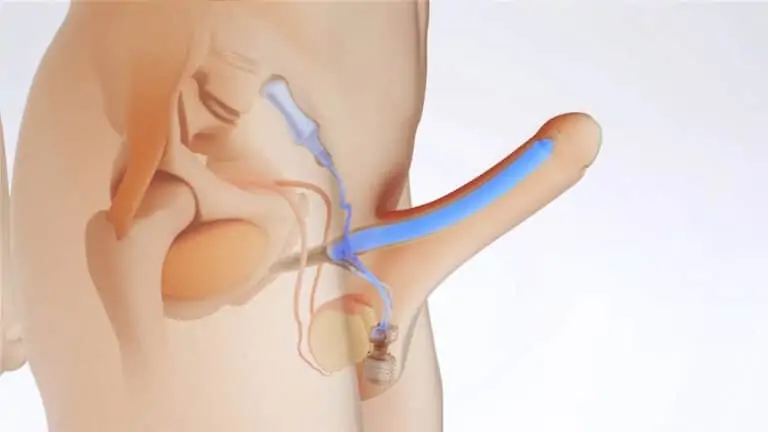
A three-piece inflatable implant includes cylinders inside the penis, a pump in the scrotum and a fluid reservoir placed in the lower abdomen or pelvis.
Pressing the pump transfers fluid into the cylinders, producing an erection. A release mechanism allows the penis to return to a softer state afterwards.
This type generally offers a more natural difference between the erect and flaccid states. However, it contains more mechanical components than a malleable implant.
Which Penile Implant Is Right for You?
The most suitable implant depends on several factors, including the severity of erectile dysfunction, previous surgery, penile anatomy, general health and the patient’s ability to operate the device.
| Implant Type | Main Advantage | Main Consideration |
|---|---|---|
| Malleable implant | Simple to operate; no pump required | Penis remains relatively firm |
| Two-piece inflatable implant | No separate abdominal reservoir | May offer less natural flaccidity than a three-piece system |
| Three-piece inflatable implant | More natural erect and flaccid appearance | More complex mechanical system |
The decision should be made together with a urologist after discussing the benefits and limitations of each option.
Who Is Suitable for Penile Implant Surgery?
Penile implant surgery is generally considered for men with persistent erectile dysfunction that has not responded adequately to other treatments.
This may include erection difficulties associated with:
- Diabetes
- Cardiovascular or vascular disease
- Previous prostate or pelvic surgery
- Spinal cord or neurological conditions
- Peyronie’s disease accompanied by erectile dysfunction
- Previous pelvic radiotherapy
These conditions do not automatically mean that an implant is necessary. A medical assessment is required to determine whether surgery is appropriate.
How Is Penile Implant Surgery Performed?
Penile implant surgery is performed under general or regional anaesthesia.
The surgeon makes an incision, commonly near the base of the penis or between the penis and scrotum. The erectile chambers are prepared, and the selected implant is placed inside them.
If an inflatable prosthesis is used, the pump is positioned within the scrotum. A three-piece implant also requires placement of a fluid reservoir.
The procedure generally takes around one to two hours, although the duration depends on the implant type and surgical complexity.
Patients may return home the same day or stay overnight, depending on their condition and the hospital’s recommendations.
Recovery After Penile Implant Surgery
Swelling, bruising and discomfort are common during the first few days after surgery.
Most patients gradually return to light daily activities within one to two weeks, although recovery varies. Heavy lifting, strenuous exercise and sexual activity should be avoided until the surgeon confirms that healing is sufficient.
Sexual intercourse is commonly resumed after approximately four to six weeks, sometimes later.
Patients with inflatable implants are also taught how to operate the pump after the initial healing period.
Following wound-care instructions and attending postoperative appointments are important for reducing complications.
Does a Penile Implant Affect Orgasm or Ejaculation?
A penile implant provides rigidity but does not directly control orgasm, ejaculation or sexual desire.
Men who could experience orgasm before surgery can often continue to do so afterwards. However, outcomes depend on existing nerve function and medical history.
For example, men who have undergone radical prostatectomy may experience orgasm without ejaculation. A penile implant does not reverse this effect.
The procedure also does not guarantee an improvement in penile sensation.
How Long Does a Penile Implant Last?
Penile implants are designed for long-term use, but they are not guaranteed to last a lifetime.
Modern devices can remain functional for many years. However, mechanical wear, infection or other complications may eventually require repair, replacement or removal.
Patients should understand the possibility of future surgery before deciding to have an implant.
What Are the Risks of Penile Implant Surgery?
As with any surgical procedure, penile implant surgery involves risks.
Possible complications include infection, bleeding, swelling, persistent discomfort, mechanical malfunction and erosion of the implant into surrounding tissue.
Some patients may also notice a change in the perceived length or appearance of the penis.
Infection is a particularly important complication because it may require removal or replacement of the prosthesis.
A thorough preoperative assessment helps identify factors that could increase surgical risk.
Penile Implant Surgery Cost in Istanbul
The cost of penile implant surgery in Istanbul depends mainly on the type of prosthesis, the selected device, hospital facilities and the complexity of the operation.
Malleable and inflatable implants have different costs because their designs and components differ.
The total treatment plan may also include preoperative tests, anaesthesia, hospital care and postoperative follow-up.
An accurate quotation can be provided after a urological assessment and selection of the appropriate implant.
Frequently Asked Questions
Is a penile implant a permanent solution for erectile dysfunction?
A penile implant provides a long-term mechanical solution for achieving an erection. However, the device may eventually require replacement because of mechanical failure or other complications. The operation also permanently changes the erectile tissue, so it should be considered a major treatment decision.
Will a penile implant be visible from the outside?
The components are placed inside the body, so there is no external device. Inflatable implants allow the penis to become softer when not in use, while malleable implants remain relatively firm and are positioned downwards for concealment. The appearance therefore depends on the implant type.
Can I have a normal sex life after penile implant surgery?
Many men are able to resume penetrative sexual activity after healing and learning how to use their implant. The device provides firmness, but sexual satisfaction also depends on factors such as sensation, desire, comfort and personal expectations.
Does a penile implant increase penis length?
No. Penile implants are designed to provide rigidity rather than increase length. The prosthesis is selected to fit the patient’s existing anatomy. Some men may notice that their penis appears shorter than they remember, particularly after long-standing erectile dysfunction.
How soon can I have sex after surgery?
Sexual activity is usually resumed approximately four to six weeks after surgery, provided healing is satisfactory. The exact timing depends on the procedure and the surgeon’s assessment. Inflatable implants should not be used for intercourse until the patient has received appropriate instructions.
Can a penile implant be replaced?
Yes. If a prosthesis develops a mechanical problem or another complication, revision surgery may be possible. Replacement is more complex than simply changing an external device, so the risks and expected benefits must be evaluated by a urologist.
Is penile implant surgery suitable for men with diabetes?
Men with diabetes may be candidates for penile implants, particularly when erectile dysfunction does not respond to other treatments. However, diabetes can increase concerns about infection and wound healing. Blood glucose control and general health should be assessed before surgery.