
Gastric sleeve surgery in Turkey, also known as sleeve gastrectomy, is a weight loss procedure designed to help eligible people living with obesity achieve substantial and sustained weight reduction. The operation reduces the size of the stomach, limiting the amount of food it can hold and influencing hormones involved in hunger and appetite.
For individuals who have struggled to manage their weight through non-surgical approaches, gastric sleeve surgery may be considered as part of a comprehensive obesity treatment plan. However, it is a permanent surgical procedure that requires careful patient selection, dietary changes and lifelong medical follow-up.
What Is Gastric Sleeve Surgery?
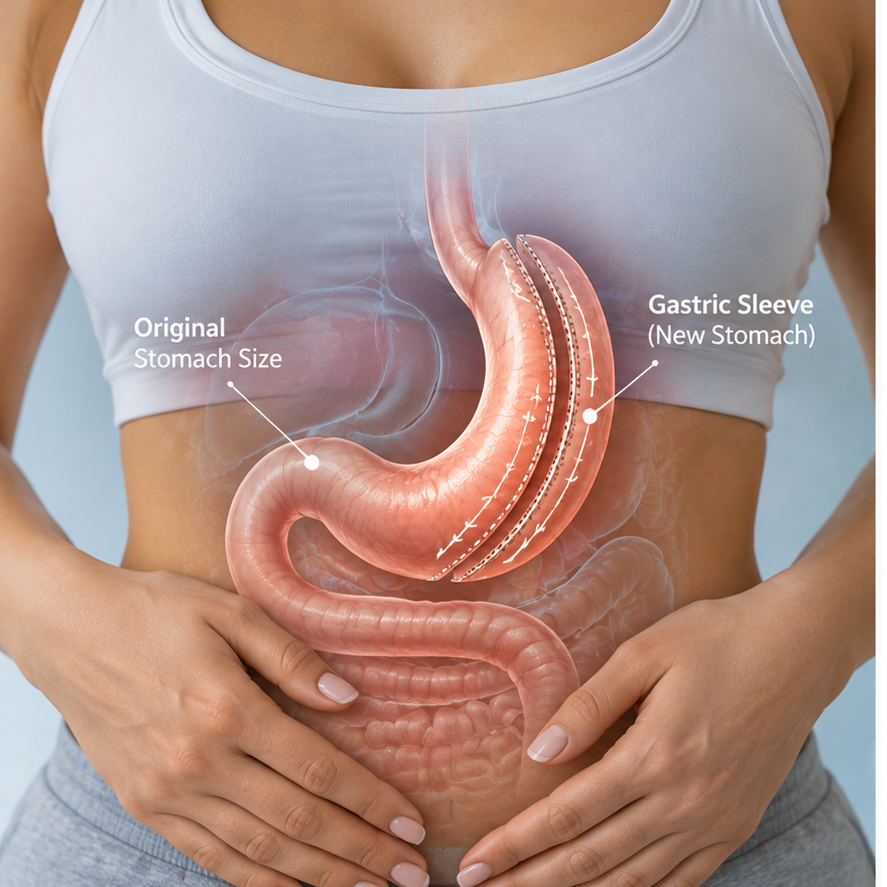
Gastric sleeve surgery is a type of bariatric surgery in which approximately 75–80% of the stomach is permanently removed. The remaining stomach forms a narrow, tube-shaped structure, which explains the term gastric sleeve.
The smaller stomach holds less food, helping patients feel satisfied after smaller meals. The procedure also affects appetite-related hormonal signals, which can support weight management.
Unlike gastric bypass, sleeve gastrectomy does not involve rerouting the intestines. Nevertheless, patients can still develop nutritional deficiencies and generally require lifelong vitamin and mineral supplementation.
Gastric sleeve surgery is not simply a method of eating less. It is a metabolic and surgical treatment for obesity that must be supported by long-term changes in nutrition, physical activity and healthcare monitoring.
Who Is a Suitable Candidate for Gastric Sleeve Surgery?
Eligibility for gastric sleeve surgery is determined through a comprehensive medical assessment rather than body weight alone.
According to international bariatric surgery guidelines, metabolic and bariatric surgery is generally recommended for people with a body mass index (BMI) of 35 or higher. It may also be considered for selected individuals with a BMI of 30–34.9, particularly when obesity-related conditions have not improved adequately with non-surgical treatment.
Factors considered during the assessment include:
- BMI and weight history
- Type 2 diabetes, hypertension or sleep apnoea
- Previous weight management treatments
- Eating habits and nutritional status
- Existing medical conditions and medications
- Psychological readiness and expectations
- Ability to follow long-term dietary and medical recommendations
Eligibility thresholds may differ for certain populations, and local clinical requirements must also be considered.
Who May Not Be Suitable for Gastric Sleeve Surgery?
Not every patient is an appropriate candidate for sleeve gastrectomy.
Uncontrolled medical conditions, untreated eating disorders, certain gastrointestinal problems or an inability to follow postoperative care may affect eligibility.
Patients with significant gastroesophageal reflux disease (GERD) require particular attention because gastric sleeve surgery can worsen reflux in some individuals. An alternative bariatric procedure may be more appropriate.
The final decision should be made following an individual assessment by a qualified bariatric surgery team.
How Is Gastric Sleeve Surgery Performed?
Gastric sleeve surgery is usually performed laparoscopically under general anaesthesia. This minimally invasive approach uses several small abdominal incisions through which a camera and surgical instruments are introduced.
The procedure generally involves the following stages:
- Preoperative preparation: The patient undergoes the required medical examinations, blood tests and anaesthesia assessment.
- Laparoscopic access: Small incisions are made in the abdomen to access the stomach.
- Stomach reduction: A surgical stapling device is used to divide the stomach and remove approximately 75–80% of its volume.
- Formation of the sleeve: The remaining stomach is shaped into a narrow tube while preserving its connection to the oesophagus and small intestine.
- Final surgical assessment: The surgical team checks the staple line and assesses for bleeding or other concerns before completing the procedure.
The operation commonly takes around one to two hours, although the duration varies according to the patient’s anatomy and surgical complexity.
Because part of the stomach is permanently removed, sleeve gastrectomy is not reversible.
What Happens After Gastric Sleeve Surgery?
After surgery, patients are monitored for pain, nausea, hydration and early signs of complications. Hospitalisation commonly lasts one to three days, although the actual duration depends on recovery and the clinical protocol.
Walking is usually encouraged early to support circulation and reduce the risk of blood clots.
The most important part of recovery is adapting to the new stomach capacity. Patients follow a staged dietary programme that gradually progresses from liquids to soft foods and eventually to small portions of regular meals.
A bariatric dietitian helps establish appropriate protein, fluid and nutritional intake.
Gastric Sleeve Recovery Timeline
The table below outlines the general stages of recovery. Individual instructions may differ depending on the surgical team’s protocol.
| Recovery Stage | What to Expect | General Recommendations |
|---|---|---|
| First 1–3 Days | Hospital monitoring, pain management and gradual fluid intake. | Begin walking as advised and follow the prescribed hydration plan. |
| Weeks 1–2 | Early recovery with a liquid-based diet according to the clinical protocol. | Focus on hydration, protein intake and adequate rest. |
| Weeks 3–4 | Gradual progression to puréed and soft foods, depending on individual tolerance. | Eat slowly, follow dietary instructions and avoid heavy lifting until cleared. |
| Weeks 5–6 | Many patients gradually resume a broader range of foods and daily activities. | Maintain small portions, prioritise protein and follow the recommended exercise plan. |
| Following Months | Continued weight loss, dietary adaptation and nutritional monitoring. | Attend follow-up appointments and take prescribed supplements. |
Diet After Gastric Sleeve Surgery
Nutrition plays a central role in recovery and long-term weight management.
During the early postoperative period, the stomach needs time to heal. Patients therefore begin with a carefully structured liquid diet before progressing to puréed, soft and regular-texture foods.
The timing of each stage is determined by the treating team.
Long-term dietary recommendations generally include eating small portions, chewing thoroughly, prioritising protein and maintaining adequate hydration.
Vitamin and mineral supplementation is also essential. Depending on individual needs, patients may require supplements containing vitamin B12, iron, calcium, vitamin D and other nutrients.
Regular blood tests help identify deficiencies before they cause significant health problems.

How Much Weight Can You Lose After Gastric Sleeve Surgery?
Weight loss following sleeve gastrectomy varies according to initial BMI, metabolism, medical conditions, eating habits and long-term adherence to treatment.
Many patients experience substantial weight reduction during the first 12–18 months after surgery. In clinical studies, average weight loss is often approximately 20–30% of initial body weight over the first one to two years, although individual results vary considerably.
Weight loss is not always continuous. Temporary plateaus are common, and some weight regain can occur over time.
Gastric sleeve surgery may also improve obesity-related conditions such as type 2 diabetes, hypertension and obstructive sleep apnoea. However, improvement or remission cannot be guaranteed.
Long-term success depends on ongoing nutritional care, physical activity and medical follow-up.
What Are the Risks of Gastric Sleeve Surgery?
As with any major operation, gastric sleeve surgery carries potential complications.
Early surgical risks include:
- Bleeding and infection
- Leakage from the stomach staple line
- Blood clots, including deep vein thrombosis or pulmonary embolism
- Anaesthesia-related complications
- Dehydration and difficulty tolerating oral intake
Long-term concerns may include acid reflux, nutritional deficiencies, narrowing of the gastric sleeve, gallstones associated with rapid weight loss and weight regain.
Some patients may require further medical treatment or additional surgery.
What Are the Signs of a Gastric Leak?
A leak from the stomach staple line is a serious complication that requires urgent medical assessment.
Warning signs may include severe or increasing abdominal pain, fever, rapid heartbeat, shortness of breath, persistent vomiting or unusual weakness.
Anyone experiencing these symptoms after gastric sleeve surgery should seek emergency medical care immediately rather than waiting for a routine follow-up appointment.
Gastric Sleeve Surgery in Istanbul, Turkey
Istanbul is a destination considered by international patients researching bariatric and weight loss surgery.
However, choosing a surgical provider should involve more than comparing prices or travel packages.
Patients should assess the qualifications of the bariatric surgery team, the hospital’s facilities, emergency care arrangements and the availability of long-term nutritional follow-up.
Before travelling, patients may be asked to provide their medical history, BMI, current medications and previous treatment records. An initial remote assessment can help determine whether further evaluation is appropriate, but it cannot replace the necessary in-person examinations.
International patients should also plan for postoperative monitoring and obtain medical clearance before flying.
Because gastric sleeve surgery requires lifelong follow-up, patients should establish how nutritional monitoring, blood tests and ongoing care will be managed after returning home.
Gastric Sleeve Surgery Cost in Turkey
The cost of gastric sleeve surgery in Turkey depends on the patient’s medical requirements and the services included in the treatment plan.
Factors influencing the overall cost may include the complexity of surgery, hospital facilities, anaesthesia, preoperative investigations, hospital stay and postoperative care.
International patients should clarify which services are included in a quotation, particularly nutritional consultations, follow-up appointments, accommodation and transportation.
A personalised cost estimate should be based on medical evaluation and the proposed surgical plan.
Choosing bariatric surgery solely on the basis of price is not advisable. Surgical safety, postoperative monitoring and access to appropriate follow-up care are essential considerations.
Frequently Asked Questions About Gastric Sleeve Surgery
Is gastric sleeve surgery permanent?
Yes. Sleeve gastrectomy permanently removes a large portion of the stomach. The removed tissue cannot be restored, making the operation irreversible.
How long does gastric sleeve surgery take?
The procedure commonly takes approximately one to two hours. More complex cases may require additional time.
Is gastric sleeve surgery painful?
Some abdominal discomfort, soreness and nausea are expected during early recovery. Symptoms are generally managed with prescribed medication, but the level of discomfort varies between patients.
Can the stomach stretch after gastric sleeve surgery?
The remaining stomach can accommodate larger amounts of food over time, although it does not simply return to its original anatomy. Weight regain can occur for several reasons, including changes in eating habits, appetite and metabolic adaptation.
Can gastric sleeve surgery cause acid reflux?
Yes. Sleeve gastrectomy may cause new reflux symptoms or worsen existing gastroesophageal reflux disease. Patients with significant reflux should discuss alternative bariatric procedures during their surgical assessment.
How long does it take to recover from gastric sleeve surgery?
Many patients resume light daily activities within one to two weeks, but recovery varies. Returning to strenuous exercise, heavy lifting or physically demanding work requires approval from the treating team.
Will I need vitamins after gastric sleeve surgery?
Yes. Lifelong vitamin and mineral supplementation is generally recommended, alongside regular nutritional monitoring and blood tests.
How long should I stay in Turkey after gastric sleeve surgery?
The appropriate length of stay depends on recovery, postoperative examinations and the risk of travel-related complications. International patients should follow the treating team’s recommendations and obtain clearance before flying.
Content Responsibility and Medical Review

Medical expert
Specialist in Plastic, Reconstructive and Aesthetic Surgery
Leyla Arvas graduated from Istanbul University, Istanbul Faculty of Medicine in 1998 and is a specialist in Plastic, Reconstructive and Aesthetic Surgery.
Dr. Leyla Arvas sees patients at her private practice and performs her surgeries at Acıbadem Hospital and Memorial Hospital, both of which are accredited by the Joint Commission International (JCI).
Medical content lead for Gastric Sleeve Surgery: MD, Leyla Arvas, MD
Last updated:
Sources
- Academic / Scientific Source MedlinePlus — Weight Control
- Medical Authority / Professional Organisation ASPS — Body Contouring