

Natural Facial Rejuvenation With Long-Lasting Results
Facial aging is not limited to the skin. As we grow older, deeper anatomical structures such as facial muscles, connective tissues, fat pads, and even bone structure undergo significant changes. Skin loses elasticity, the SMAS layer weakens, mid-face fat pads descend, and the jawline becomes less defined. At the same time, neck laxity and muscle banding contribute to a tired and aged appearance.
Because aging affects the face in multiple layers, modern facial rejuvenation requires more than simple skin tightening. This is why advanced surgical techniques like the Deep Plane Facelift have become the gold standard in facial rejuvenation—especially for patients seeking natural, long-lasting, and non-operated-looking results.
What Is A Deep Plane Facelift?
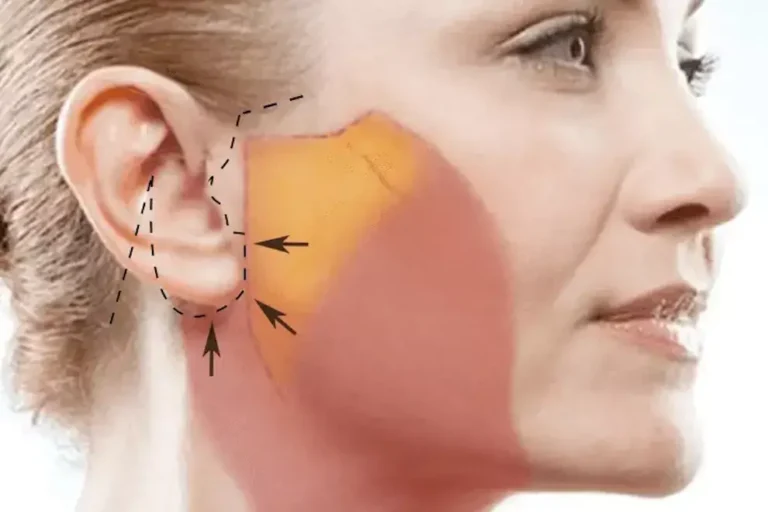
A Deep Plane Facelift is one of the most advanced facial rejuvenation surgeries available today. Unlike traditional facelift techniques that focus mainly on tightening the skin, this procedure addresses the deep structural layers of the face, including:
- The SMAS (Superficial Musculoaponeurotic System)
- Facial retaining ligaments
- Mimic muscles
- Descended fat pads of the cheeks and jawline
By repositioning these structures as a whole, the face is rejuvenated in a natural anatomical direction, restoring youthful contours without creating a tight or artificial appearance.
Why Is The Deep Plane Facelift Superior To Traditional Facelift Techniques?
Traditional facelifts often rely on skin tension, which may lead to unnatural expressions and shorter-lasting results. The Deep Plane technique works below the SMAS layer, allowing the surgeon to lift the face as a single unit.
Deep Plane Facelift vs Traditional Facelift
| Criteria | Traditional Facelift | Deep Plane Facelift |
|---|---|---|
| Depth of Surgery | Skin + limited SMAS | SMAS, muscles, ligaments, fat pads |
| Natural Appearance | Moderate | Very high |
| Longevity | 5–7 years | 10–15 years |
| Mid-Face & Neck Rejuvenation | Limited | Comprehensive |
| Risk of “Operated Look” | Higher | Minimal |
How Is A Deep Plane Facelift Performed?
The procedure is performed under general anesthesia in a fully equipped hospital setting. Surgery usually takes 3 to 5 hours and can be combined with complementary procedures such as neck lift, eyelid surgery, brow lift, or fat transfer if needed.
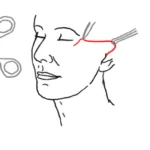
After a detailed facial analysis, incisions are carefully placed around the natural creases of the ear and hairline. The deep facial structures are released and repositioned upward and backward, restoring youthful facial harmony. Excess skin is removed without tension, allowing for minimal scarring and natural healing.
Recovery After Deep Plane Facelift
Most patients stay in the hospital for one night. Recovery is generally smooth and predictable:
- Mild swelling and bruising during the first 3–5 days
- Early social recovery within 7–10 days
- Facial contours begin to settle after 4–6 weeks
- Final results visible at approximately 3 months
The rejuvenation effect typically lasts 10 to 15 years, making it one of the most durable facial rejuvenation options available.
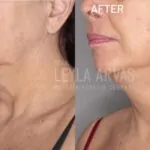
Before And After Deep Plane Facelift
Before surgery, patients often experience:
- Loss of jawline definition
- Sagging cheeks and mid-face
- Deep nasolabial folds
- Neck laxity and muscle banding
- A tired or aged facial expression
After surgery, patients notice:
- Sharper jawline and neck contour
- Lifted cheeks and restored mid-face volume
- Smooth yet natural facial appearance
- Youthful, refreshed, and balanced expression
Who Is A Good Candidate For A Deep Plane Facelift?
This procedure is ideal for patients typically aged 40 to 65 who experience moderate to advanced facial sagging. Candidates should be in good general health and seek long-term, natural-looking results rather than temporary solutions.
Why Choose Turkey For A Deep Plane Facelift?
Turkey has become one of the world’s leading destinations for aesthetic surgery. Patients from Europe, the UK, the Middle East, and North America choose Turkey because it offers:
- Internationally trained surgeons
- Advanced medical technology
- High safety standards
- Significantly lower costs compared to the US or Europe
- Personalized care and medical tourism services
Why Istanbul Is A Global Hub For Facial Aesthetic Surgery
Istanbul combines world-class healthcare infrastructure with a rich cultural experience. Patients can receive top-tier surgical care while enjoying a city that connects Europe and Asia. Short waiting times, luxury recovery options, and easy international access make Istanbul especially attractive for facial rejuvenation procedures.
Why Choose Our Clinic In Istanbul?
Our clinic focuses exclusively on natural facial aesthetics using advanced surgical techniques such as the Deep Plane Facelift. What sets us apart:
- Surgeons with extensive experience in deep plane techniques
- Individualized facial analysis and surgical planning
- Hospital-based surgery with international safety standards
- English-speaking medical team and patient coordinators
- Comprehensive care from consultation to recovery
Our goal is not just to make you look younger—but to help you look like the best, most refreshed version of yourself.
Deep Plane Facelift Cost In Turkey
The cost of a Deep Plane Facelift in Turkey varies depending on individual needs, surgical complexity, and whether additional procedures are performed.
Factors affecting pricing include:
- Surgeon’s expertise
- Hospital facilities
- Length of surgery
- Combined procedures
A personalized consultation is essential to determine an accurate treatment plan and pricing.
Frequently Asked Questions (FAQ)
Is A Deep Plane Facelift Better Than A Traditional Facelift?
Yes. Because it addresses deeper facial structures, results are more natural and longer-lasting.
Will My Facial Expression Change?
No. The technique preserves natural muscle movement, so expressions remain authentic.
Are The Scars Visible?
Incisions are hidden within the hairline and ear contours and usually become barely noticeable.
Can This Surgery Be Combined With Other Procedures?
Yes. It is often combined with neck lift, eyelid surgery, or fat transfer for optimal results.
How Long Do Results Last?
Most patients enjoy results for 10–15 years, depending on aging and lifestyle factors.
Is Turkey Safe For Facelift Surgery?
Yes—when performed in accredited hospitals by experienced surgeons, Turkey offers excellent safety and outcomes.
A Deep Plane Facelift is one of the most sophisticated facial rejuvenation surgeries available today. When performed by experienced hands, it delivers natural, elegant, and long-lasting results. Choosing Turkey—and Istanbul in particular—allows international patients to access world-class aesthetic surgery while benefiting from exceptional value and personalized care.
Sources / References
- Rohrich RJ, Ghavami A, Constantine FC.
The Role of the SMAS in Facial Rejuvenation: A Review of Deep Plane Facelift Techniques
Journal of Plastic, Reconstructive & Aesthetic Surgery
PMID: 31838095
DOI: 10.1016/j.joms.2019.11.011 - Jacono AA, Parikh SS.
The Deep Plane Facelift: Technique, Outcomes, and Avoidance of Complications
Aesthetic Surgery Journal
PMID: 32766067
PMCID: PMC7339253
DOI: 10.1097/GOX.0000000000002920 - Mitz V, Peyronie M.
The Superficial Musculo-Aponeurotic System (SMAS) in the Parotid and Cheek Area
Plastic and Reconstructive Surgery
PMID: 1094696