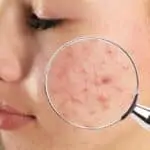
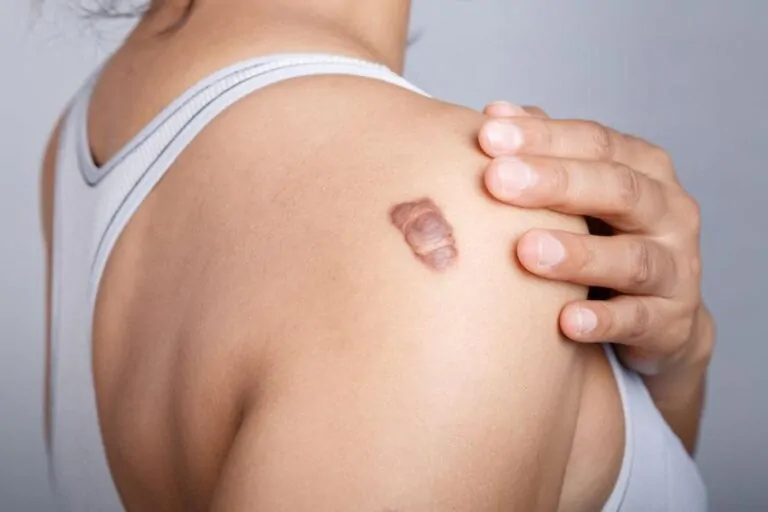
Keloids are raised scars that develop when the skin produces excessive scar tissue during healing. Unlike a typical scar, a keloid can grow beyond the boundaries of the original wound and may continue to become larger over time.
Keloids can develop after surgery, injuries, acne, piercings or other forms of skin trauma. Some may also cause itching, tenderness or discomfort.
At Quartz Clinique in Istanbul, keloid scar treatment is planned according to the size, location, symptoms and previous treatment history of the scar.
What Is a Keloid?
A keloid is an overgrowth of scar tissue that develops as part of an excessive healing response.
It usually appears as a firm, raised area that extends beyond the borders of the original injury. Keloids may be skin-coloured, pink, red or darker than the surrounding skin.
Common locations include:
- Earlobes and ears
- Chest
- Shoulders
- Upper back
- Jawline and neck
Keloids can occur in anyone, although some people have a greater tendency to develop them.
Keloid vs Hypertrophic Scar
Keloids and hypertrophic scars can both appear raised, but they are not the same.
| Feature | Keloid | Hypertrophic Scar |
|---|---|---|
| Growth | Can extend beyond the original wound | Usually remains within the wound borders |
| Appearance | Raised and sometimes irregular | Raised but generally follows the original scar |
| Development | May continue growing after the wound has healed | May gradually flatten over time |
| Recurrence | Can recur after treatment | Generally lower recurrence tendency |
Correctly identifying the scar type is important because keloid treatment differs from the treatment of many other scars.
Why Do Keloids Develop?
Keloids develop when the body’s wound-healing response produces more scar tissue than necessary.
They may appear after:
- Ear or body piercings
- Surgical incisions
- Acne
- Cuts or injuries
- Burns
- Injections or other skin trauma
Genetic tendency and skin type can also influence the likelihood of keloid formation.
How Are Keloids Treated?
There is no single treatment that is suitable for every keloid.
The treatment plan depends on factors such as the scar’s size, thickness, location, symptoms, previous treatments and tendency to recur.
Options may include intralesional injections, laser-based treatments, silicone or pressure therapy and surgical removal in selected cases. Combination treatment may sometimes be recommended to reduce the risk of recurrence.
Steroid Injections for Keloids
Intralesional corticosteroid injections are one of the established treatments for keloid scars.
Medication is injected directly into the scar tissue with the aim of reducing its thickness and symptoms such as itching or tenderness.
Treatment may require more than one session depending on the size and response of the keloid.
Laser Treatment for Keloid Scars
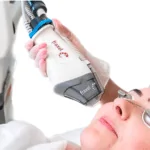
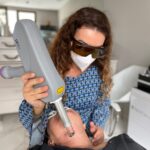
Laser treatment may be considered for selected keloids, particularly when colour, thickness or surface appearance is a concern.
The type of laser and treatment protocol should be selected according to the characteristics of the scar and the patient’s skin.
Laser treatment may also be used as part of a combination approach rather than as a standalone treatment for every keloid.
Can Keloids Be Surgically Removed?
Surgical excision may be considered for selected keloids, particularly larger or persistent scars.
However, keloids have a significant tendency to recur after surgical removal, especially when surgery is used alone.
For this reason, surgery should not be viewed as a guaranteed permanent solution. Additional treatment may be recommended before or after removal depending on the individual case.
Ear Keloid Treatment
The ear and earlobe are common locations for keloids, particularly following ear piercing.
Treatment depends on the size and position of the keloid and whether it has previously been treated. Smaller lesions may be managed differently from larger or recurrent ear keloids.
Treatment options can include injections, pressure-based approaches, surgery or a combination of methods depending on the individual case.
Can a Keloid Come Back After Treatment?
Yes. Keloids can recur after treatment, which is one of the main differences between keloids and many other types of scars.
The risk varies according to the location, size, previous treatments and method used.
Treatment therefore aims not only to improve the appearance and symptoms of the existing keloid but also to consider the risk of recurrence when planning the approach.
Keloid Scar Treatment in Istanbul, Turkey
International patients considering keloid treatment in Istanbul should ideally provide information about how the scar developed, how long it has been present and whether it has previously been treated.
Photographs can also be useful for an initial assessment before travelling.
At Quartz Clinique, the treatment approach is determined after evaluating the keloid’s location, size, thickness and previous treatment history. Patients travelling to Istanbul should also share their travel dates, as some treatment plans may require more than one session or follow-up.
Keloid Treatment Cost in Istanbul
The cost of keloid treatment in Istanbul depends on the individual treatment plan.
Factors affecting the price may include:
- Size and number of keloids
- Location of the scar
- Treatment method
- Number of sessions
- Whether combination treatment is required
- Previous treatments
An assessment is therefore necessary before an accurate treatment plan and current price can be provided.
Frequently Asked Questions
Can a keloid be completely removed?
Treatment can reduce the size, thickness, symptoms or visibility of a keloid, but complete and permanent removal cannot be guaranteed. Keloids can recur even after treatment.
Do steroid injections flatten keloids?
Intralesional corticosteroid injections can help reduce the thickness of selected keloids. More than one treatment may be required, and the response varies between patients.
Can laser treatment remove a keloid?
Laser treatment may help improve selected characteristics such as colour or thickness, but it does not guarantee complete removal and may be combined with other treatments.
Can an ear keloid be removed?
Yes, ear keloids can be treated. The appropriate approach depends on the size, location and previous treatment history and may involve injections, pressure therapy, surgery or combination treatment.
Why did my keloid come back after surgery?
Keloid tissue has a tendency to recur, and surgery itself creates a new wound. This is why surgical removal alone may not be appropriate for every keloid and additional treatment may be considered.
References
- NHS — Keloid Scars.
- British Association of Dermatologists — Keloids.
- Peer-reviewed dermatology and plastic surgery literature on intralesional therapy, laser treatment and surgical management of keloids.
Content Responsibility and Medical Review

Medical expert
Dr. Nur Afşar
Medical Aesthetic Physician
Dr. Nur Afşar has been practicing in the field of medical aesthetics for over seven years. She has experience in a range of non-surgical aesthetic treatments, particularly Botox, dermal fillers, mesotherapy, and skin rejuvenation procedures. Her approach to treatment planning focuses on achieving natural and balanced results.
Medical content lead for Keloid Scar Treatment: Dr. Nur Afşar
Last updated: