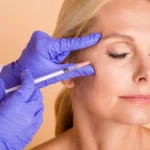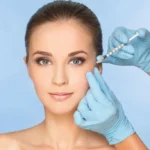
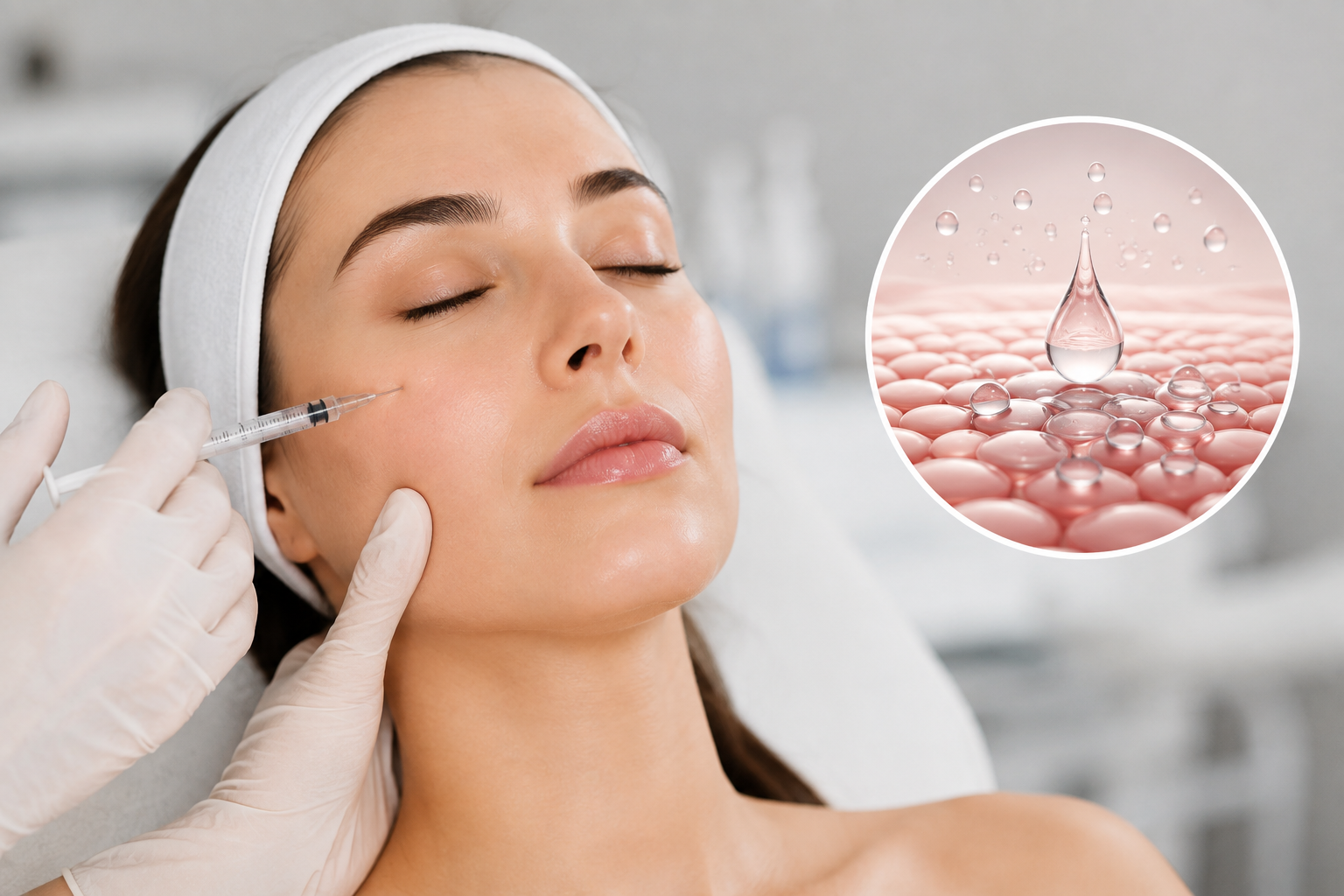
Skin boosters are injectable treatments designed to improve hydration, texture and overall skin quality without significantly changing facial shape or adding the volume associated with traditional dermal fillers.
At Quartz Clinique in Istanbul, skin booster treatments are selected according to skin condition, treatment area and individual goals. Different formulations are available, so the appropriate product and treatment schedule can vary from person to person.
What Is a Skin Booster?
A skin booster is an injectable treatment primarily used to improve skin hydration and quality.
Many formulations contain hyaluronic acid (HA), a substance naturally found in the skin that helps retain moisture. Depending on the product, additional ingredients may include amino acids, peptides, polynucleotides, vitamins or other compounds used in injectable skin rejuvenation.
Unlike conventional dermal fillers, skin boosters are not primarily intended to build cheekbones, project the chin or reshape facial contours. Their purpose is to improve the condition and appearance of the skin itself.
In Turkey, these treatments are sometimes called a “youth vaccine” (gençlik aşısı). Despite the name, this is not a vaccine in the medical sense. Internationally, skin booster or injectable skin rejuvenation are more appropriate terms.
Skin Booster Treatment at a Glance
| Feature | Details |
|---|---|
| Treatment Type | Injectable skin rejuvenation treatment |
| Main Goal | Improve hydration, texture and overall skin quality |
| Common Ingredients | Hyaluronic acid and other product-specific active ingredients |
| Common Areas | Face, neck, décolletage and hands |
| Sessions | Varies according to the product and individual treatment plan |
| Downtime | Usually limited; temporary redness, swelling or injection marks may occur |
What Can Skin Boosters Improve?
Skin quality naturally changes with age, sun exposure and environmental factors. Hydration and elasticity may decrease, while fine lines and uneven texture can become more noticeable.
Depending on the formulation, skin boosters may be used to address:
- Dehydrated or dull-looking skin
- Fine lines
- Uneven or rough texture
- Reduced elasticity
- Early age-related skin changes
The aim is generally a fresher, better-hydrated appearance rather than additional facial volume.
What Is in a Skin Booster?
There is no single formula shared by every skin booster.
Hyaluronic acid is one of the most common ingredients and is particularly associated with improving skin hydration.
Other formulations may contain amino acids, peptides, polynucleotides, vitamins or antioxidants. This is why “skin booster” should be understood as a treatment category rather than one specific injectable product.
Products commonly discussed within this category include:
- Jalupro
- Profhilo
- Juvéderm Volite
- Restylane Vital
- Filorga NCTF 135HA
- Teosyal Redensity I
- Rejuran
- Xela Rederm
- IAL System
These products have different formulations and protocols, so the appropriate choice should be based on the patient’s skin rather than the popularity of a particular brand.
Skin Booster vs Dermal Filler
Although both treatments may contain hyaluronic acid, they generally have different purposes.
Dermal fillers are commonly used to restore volume, enhance projection or reshape areas such as the lips, chin, cheeks or jawline.
Skin boosters focus primarily on hydration, texture and overall skin quality without significantly changing facial contours.
Someone who wants chin projection, for example, would generally require a different treatment from someone who is happy with their facial proportions but wants better skin hydration.
Skin Booster vs Mesotherapy
There is some overlap between skin boosters and mesotherapy, particularly because both may involve multiple superficial injections.
Mesotherapy can use combinations of vitamins, amino acids, minerals, hyaluronic acid and other ingredients. Skin boosters are generally more specifically formulated products intended to improve hydration and skin quality.
Rather than focusing only on the treatment name, patients should know which product is being used, what it contains and what it is intended to achieve.
Skin Booster vs Collagen Biostimulator
Skin boosters should also be distinguished from collagen biostimulators.
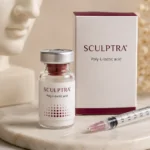
Treatments such as Sculptra and Lanluma contain poly-L-lactic acid (PLLA) and primarily aim to stimulate a progressive collagen response.
Skin boosters generally focus more on hydration and skin quality.
This distinction is particularly relevant when deciding whether the main concern is dehydrated or textured skin, or deeper age-related changes in tissue support and volume.
Where Can Skin Boosters Be Used?
Depending on the product, skin boosters may be used on areas including:
- Face
- Neck
- Décolletage
- Hands
- Selected areas around the eyes
Not every formulation is appropriate for every anatomical area, particularly around the eyes where the skin is thinner and product selection is important.
How Is Skin Booster Treatment Performed?
Treatment begins with an assessment of skin hydration, texture, elasticity, fine lines and the areas of concern.
The selected product is administered through a series of small injections. Injection depth and technique vary according to the formulation and treatment area.
Topical anaesthesia may be used when appropriate, and treatment is generally completed within a relatively short appointment.
How Many Skin Booster Sessions Are Needed?
There is no standard number of sessions for every product.
Some skin boosters are used as an initial course followed by maintenance, while others have different manufacturer-specific protocols.
The treatment schedule depends on factors such as:
- Product
- Skin condition
- Treatment area
- Age-related changes
- Desired outcome
This is particularly relevant for international patients visiting Istanbul, as any recommended treatment course should be considered when planning travel.
When Will I See Results and How Long Do They Last?
Skin booster results are usually subtle and progressive.
As the initial injection-related swelling settles, improvements in hydration, texture and overall skin appearance may become more noticeable.
The duration of results varies according to the product, number of sessions, skin quality, metabolism, lifestyle and maintenance treatments. There is therefore no single longevity figure that applies to every skin booster.
Recovery and Side Effects
Downtime is generally limited.
Temporary reactions may include:
- Small injection marks
- Redness
- Mild swelling
- Tenderness
- Bruising
These usually improve as the skin recovers.
As with any injectable procedure, less common complications are possible. Treatment should therefore be performed by an appropriately trained medical professional with knowledge of facial anatomy and the product being used.
Can Skin Boosters Be Combined with Other Treatments?
In selected patients, skin boosters may be incorporated into a broader treatment plan alongside treatments such as:
- Botulinum toxin
- Dermal fillers
- Microneedling
- RF microneedling
- Laser treatments
- Collagen biostimulators
These treatments address different concerns, so the appropriate combination and timing should be planned individually.
Skin Booster Treatment in Istanbul
For international patients, skin boosters can be a practical non-surgical treatment to consider during a visit to Istanbul because appointments are relatively short and downtime is generally limited.
At Quartz Clinique in Istanbul, treatment planning focuses on the patient’s skin rather than simply selecting a product marketed as a “youth vaccine.”
Assessment includes the main skin concern, suitable formulation, treatment areas and whether one or multiple sessions may be appropriate.
Patients travelling from abroad should consider the recommended treatment schedule before arranging their trip, particularly when a course of sessions is planned.
Skin Booster Cost in Istanbul
The cost of skin booster treatment in Istanbul varies because skin booster is a treatment category rather than a single product.
Price can depend on:
- Brand and formulation
- Amount of product
- Treatment areas
- Number of sessions
- Individual treatment plan
International patients comparing treatments should therefore ask which product and quantity are included rather than comparing price alone.
Frequently Asked Questions About Skin Boosters
Is a skin booster the same as a filler?
No. Fillers are generally used to create or restore volume and contour, while skin boosters primarily target hydration and skin quality.
Is “youth vaccine” a real vaccine?
No. “Youth vaccine” is a direct translation of the Turkish term gençlik aşısı. It is not a vaccine against ageing or disease.
Which skin booster is best?
There is no universally best product. Different formulations are appropriate for different skin concerns and treatment areas.
Do skin boosters make your face look fuller?
They are not primarily intended to create significant facial volume. Temporary swelling can occur immediately after treatment.
Can skin boosters be used under the eyes?
Certain products may be suitable for the periocular area, but not every skin booster should be used there. Product selection and injection technique are particularly important.
Can I have Botox and a skin booster together?
Both may be included in the same overall treatment plan because they address different concerns. Timing depends on the areas and products involved.
Are skin boosters permanent?
No. Their effects are temporary, and maintenance treatments may be considered depending on the product and individual skin condition.
Can international patients have skin boosters during a short trip to Istanbul?
Often yes, as treatment generally involves limited downtime. However, some products require a course of sessions, so the full treatment schedule should be discussed before travelling.
References
- Published clinical literature on hyaluronic acid-based injectable treatments for skin hydration and rejuvenation.
- Clinical studies evaluating intradermal hyaluronic acid and skin-quality treatments.
- Product-specific clinical evidence and manufacturer information for individual skin booster formulations.
Content Responsibility and Medical Review

Medical expert
Medical Aesthetic Physician
Dr. Nur Afşar has been practicing in the field of medical aesthetics for over seven years. She has experience in a range of non-surgical aesthetic treatments, particularly Botox, dermal fillers, mesotherapy, and skin rejuvenation procedures. Her approach to treatment planning focuses on achieving natural and balanced results.
Medical content lead for Skin Booster Treatment: Dr. Nur Afşar
Last updated: