
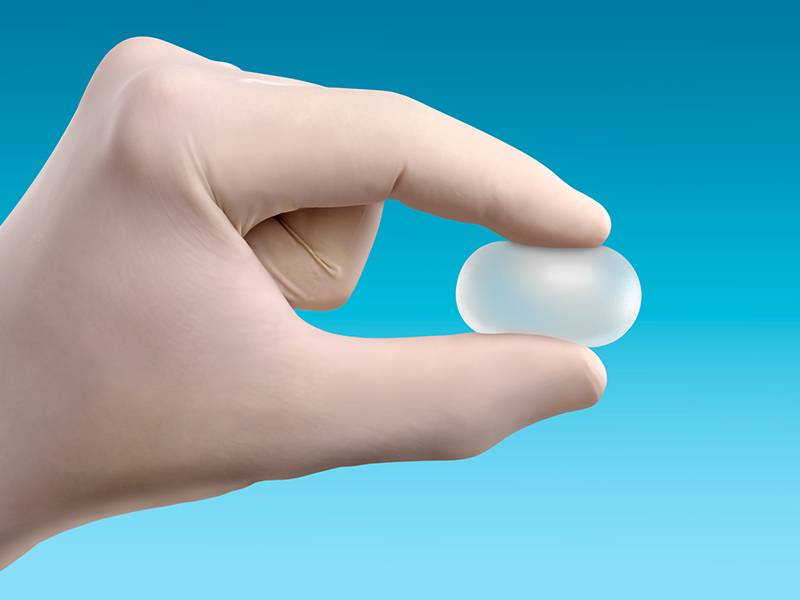
Loss of a testicle due to cancer, trauma, torsion, infection, or congenital conditions can affect both physical appearance and emotional confidence. Modern testicular prosthesis surgery offers a safe and effective solution for patients seeking a more natural scrotal appearance after testicular loss. With advanced testicular implants and prosthetic testicles, it is possible to restore symmetry and improve body confidence with natural-looking results.
At Quartz Clinique, we use advanced Rigicon testicular prosthesis implants designed to provide realistic texture, long-term durability, and personalized aesthetic outcomes. Whether patients require unilateral or bilateral testicular implant surgery, every treatment plan is customized according to anatomy, expectations, and overall health.
What Is A Testicular Prosthesis?
A testicular prosthesis is a medical implant placed inside the scrotum to replace a missing testicle. The procedure is also known as:
- Testicular implant surgery
- Testicle implant surgery
- Prosthetic testicle surgery
- Artificial testicle implant surgery
- Testicular replacement surgery
Although these terms may vary, they generally describe the same cosmetic and reconstructive procedure.
Modern silicone testicle implants are designed to closely mimic the size, shape, and feel of a natural testicle. The purpose of testicular prosthesis surgery is cosmetic restoration and psychological comfort rather than hormone or sperm production.
Who Is A Candidate For Testicular Implants?
Testicular implants may be suitable for patients who have lost one or both testicles or were born without a fully developed testicle.
Common reasons include:
- Testicular cancer
- Trauma or injury
- Testicular torsion
- Congenital absence of a testicle
- Severe infection
- Previous surgical complications
- Cosmetic asymmetry
For many patients, prosthetic testicles help restore confidence and provide a more balanced appearance.
Who May Not Be Suitable For Testicular Prosthesis Surgery?
Although testicular prosthesis surgery is considered safe, not every patient is an ideal candidate.
The procedure may not be recommended for patients with:
- Active infection
- Uncontrolled chronic illness
- Severe tissue damage within the scrotum
- Increased surgical risk
- Unrealistic expectations regarding results
A detailed consultation and medical evaluation are necessary before surgery.
Can Testicular Implants Be Placed On One Side Only?
Yes. Testicular implants can be placed unilaterally or bilaterally depending on the patient’s condition.
Unilateral Testicular Implant
If one natural testicle is still present, a prosthetic testicle can be implanted on one side only. The silicone testicle implant is selected to closely match the existing testicle for a symmetrical and natural appearance.
Bilateral Testicular Prosthesis
Patients who have lost both testicles may choose bilateral testicular prosthesis surgery to restore scrotal volume and contour.
Why Are Rigicon Testicular Prostheses Preferred?
At Quartz Clinique, we use Rigicon testicular implants because of their advanced design and natural aesthetic qualities.
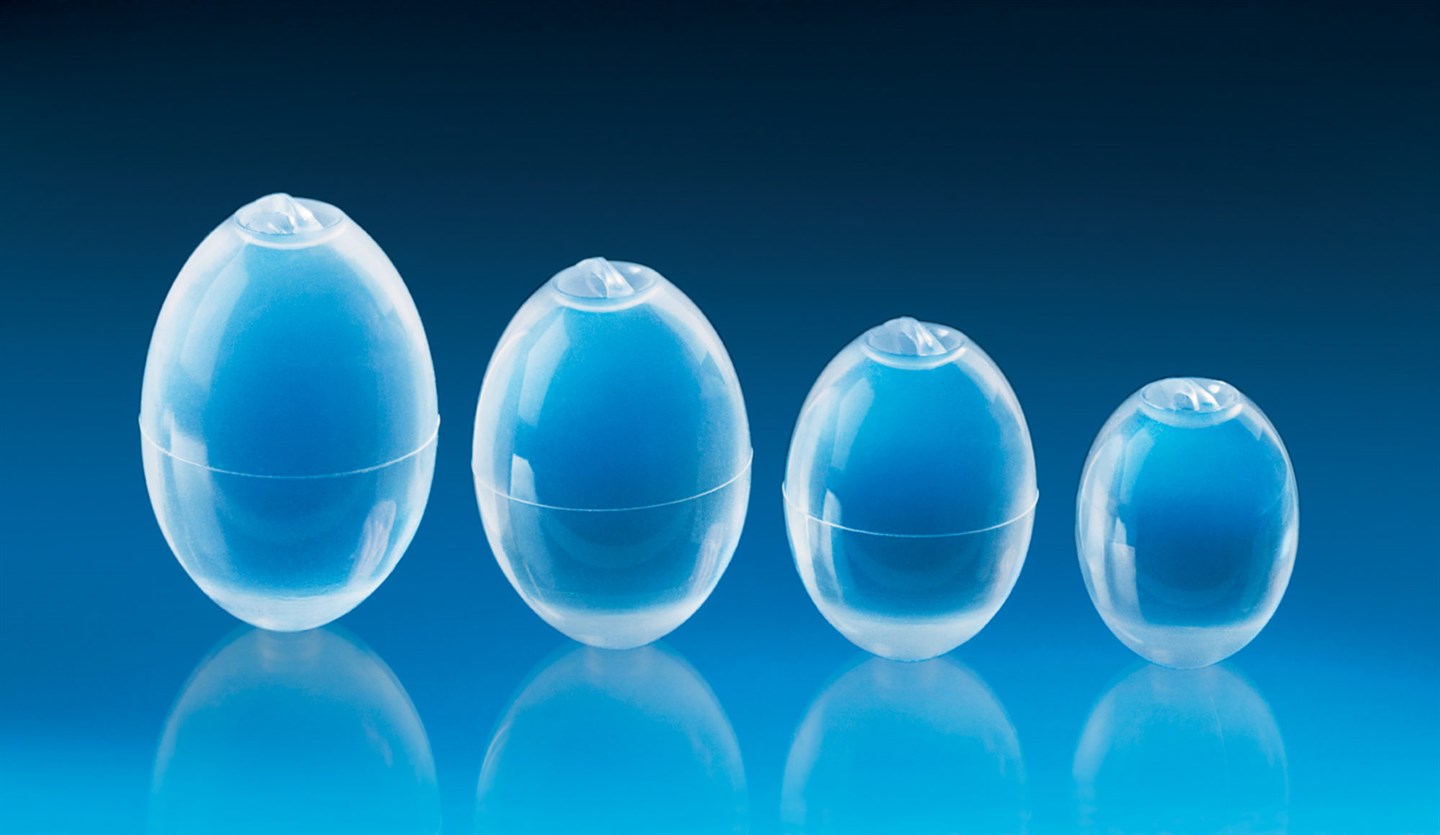
Advantages Of Rigicon Testicular Implants
- Natural softness and texture
- Realistic appearance
- Multiple implant size options
- Durable medical-grade silicone
- Biocompatible materials
- Long-lasting implant structure
- High patient satisfaction rates
Compared to standard prosthetic testicles, Rigicon implants are often preferred for their more natural feel and appearance.
How Is Testicular Prosthesis Surgery Performed?
Testicular prosthesis surgery is usually performed under local or general anesthesia as a short outpatient procedure.
Surgical Process
- Personalized consultation and implant planning
- Selection of the appropriate testicular implant
- Small incision within the scrotum
- Creation of a pocket for the prosthetic testicle
- Placement of the silicone testicle implant
- Optional fixation for implant stability
- Closure with cosmetic sutures
The procedure typically takes between 30 and 60 minutes.
Recovery After Testicular Implant Surgery
Recovery after testicular implant surgery is generally straightforward, and most patients return home on the same day.
Common Temporary Symptoms
- Mild swelling
- Bruising
- Tenderness
- Temporary discomfort
These symptoms usually improve within several days.
Recovery Recommendations
- Avoid strenuous activities for 1–2 weeks
- Wear supportive underwear
- Keep the surgical area clean and dry
- Avoid sexual activity for approximately 2–3 weeks
- Follow postoperative instructions carefully
Complete healing usually occurs within a few weeks.
Do Testicular Prostheses Look Natural?
One of the most common concerns regarding testicular implants is whether they look natural.
Modern prosthetic testicles are specifically designed to provide realistic cosmetic results. When properly selected and positioned:
- The implant is not noticeable under clothing
- The scrotum appears symmetrical
- The silicone testicle implant feels soft and realistic
- The overall result closely resembles a natural testicle
Although an artificial testicle implant cannot perfectly replicate natural tissue, modern implants provide highly satisfying aesthetic outcomes.
Risks And Possible Complications
Testicular prosthesis surgery is considered low risk when performed by experienced surgeons. However, like any surgical procedure, complications are still possible.
Potential risks include:
- Infection
- Bleeding or hematoma
- Implant displacement
- Scar tissue formation
- Capsular contracture
- Rare need for revision surgery or implant removal
Choosing an experienced clinic and following postoperative instructions help reduce these risks significantly.
Rigicon vs Standard Testicular Implants
| Feature | Rigicon Testicular Prosthesis | Standard Testicular Implant |
|---|---|---|
| Texture | Soft and natural | Can feel firmer |
| Appearance | Highly realistic | Moderately realistic |
| Size Options | Multiple choices | Limited options |
| Durability | Long-lasting | Average durability |
| Patient Satisfaction | High | Variable |
Testicular Prosthesis Cost
The cost of testicular prosthesis surgery depends on several factors, including the type of testicular implant used, whether the surgery is unilateral or bilateral, the complexity of the procedure, and the surgeon’s experience.
At Quartz Clinique, every treatment plan is personalized according to the patient’s anatomy and goals. A consultation is recommended for detailed evaluation and personalized pricing information.
Frequently Asked Questions
Is testicular prosthesis surgery painful?
The procedure is performed under anesthesia, so patients do not feel pain during surgery. Mild discomfort, swelling, and tenderness after testicular implant surgery are common and usually temporary.
Can I get a testicular implant on only one side?
Yes. Unilateral testicular implants are commonly performed when one natural testicle is still present. The prosthetic testicle is selected to match the remaining side as naturally as possible.
Do testicular implants affect fertility or testosterone levels?
No. Testicular prostheses are cosmetic implants and do not produce testosterone or sperm. They do not directly affect fertility or hormone levels.
Will a prosthetic testicle look natural?
Modern silicone testicle implants are designed to closely mimic the size, shape, and softness of a natural testicle. Proper implant selection and surgical placement help achieve natural-looking results.
How long is the recovery after testicular implant surgery?
Most patients return to daily activities within several days. Full healing after testicular prosthesis surgery usually occurs within a few weeks.
Can a testicular implant move or shift?
Although uncommon, implant displacement can occur. Proper surgical technique and postoperative care significantly reduce this risk.
Are testicular prostheses permanent?
Yes. High-quality silicone testicular implants are designed for long-term use and generally do not require replacement unless complications occur.
Scientific References
- Testicular Prosthesis Placement and Patient Outcomes — PMID: 27510458, DOI: 10.1016/j.ucl.2016.04.010
- Patient Satisfaction After Testicular Implant Surgery — PMID: 29410125, DOI: 10.1016/j.juro.2017.11.095
Content Responsibility and Medical Review

Medical expert
Specialist in Plastic, Reconstructive and Aesthetic Surgery
Leyla Arvas graduated from Istanbul University, Istanbul Faculty of Medicine in 1998 and is a specialist in Plastic, Reconstructive and Aesthetic Surgery.
Dr. Leyla Arvas sees patients at her private practice and performs her surgeries at Acıbadem Hospital and Memorial Hospital, both of which are accredited by the Joint Commission International (JCI).
Medical content lead for Testicular Prosthesis: MD, Leyla Arvas, MD
Last updated: