
Peyronie’s disease is a condition that causes the penis to curve during an erection due to the development of fibrous scar tissue, known as plaque. While some degree of penile curvature is natural, a new or worsening bend may cause pain, erectile difficulties or discomfort during sexual intercourse.
The condition most commonly affects middle-aged and older men, although it can occur at a younger age. Peyronie’s disease treatment in Istanbul, Turkey, is planned according to the severity of the curvature, the stage of the condition and the patient’s erectile function.
What Is Peyronie’s Disease?
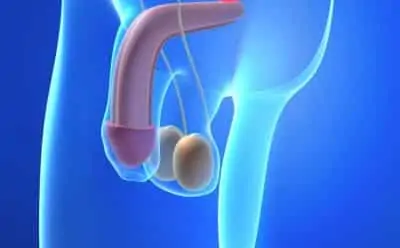
Peyronie’s disease develops when scar tissue forms in the tunica albuginea, the tissue surrounding the erectile chambers of the penis. Because the affected area cannot stretch normally during an erection, the penis may bend toward the plaque.
Some men also notice penile shortening, narrowing or an hourglass-shaped deformity.
Unlike congenital penile curvature, which is present from an early age, Peyronie’s disease develops later in life.
What Causes Peyronie’s Disease?
The exact cause is not always clear. The condition is thought to be associated with an abnormal healing response following minor injuries to the penis, sometimes during sexual activity.
Factors associated with Peyronie’s disease include increasing age, diabetes, previous penile injury and certain connective tissue disorders, such as Dupuytren’s contracture.
However, many men develop the condition without recalling a specific injury.
Symptoms of Peyronie’s Disease
The most common symptoms include:
- A new or increasing curve in the penis during an erection
- Pain during erections, particularly in the early stage
- A firm lump or plaque beneath the penile skin
- Difficulty achieving or maintaining an erection
- Penile shortening or narrowing
- Discomfort or difficulty during sexual intercourse
Symptoms vary from person to person. Some men experience mild curvature without significant problems, while others find that the condition affects their sexual function and confidence.
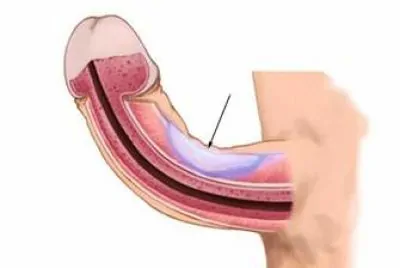 Stages of Peyronie’s Disease
Peyronie’s disease generally has two phases: active and stable.
During the active phase, the curvature may change, plaques can develop and erections may be painful. This stage can last several months or longer.
In the stable phase, the curvature stops progressing and pain often improves. However, the existing deformity may remain.
How Is Peyronie’s Disease Diagnosed?
A urologist diagnoses Peyronie’s disease through a medical history and physical examination.
The assessment focuses on when the curvature began, whether it has progressed, the presence of pain and any changes in erectile function.
Photographs of the erect penis may help document the degree and direction of curvature. In some cases, an ultrasound or an examination using a medically induced erection may be recommended.
The findings help determine the most appropriate treatment.
Peyronie’s Disease Treatment Options
Not every man with Peyronie’s disease requires surgery. Treatment depends on the severity of the symptoms, the stability of the curvature and whether sexual intercourse is affected.
Non-Surgical Treatment
Medication: Anti-inflammatory medication may help relieve pain during the active phase. Medication for erectile dysfunction may also be prescribed when necessary. However, oral treatments such as vitamin E or colchicine have not shown reliable results in correcting penile curvature.
Plaque injections: Certain injectable treatments, including collagenase where available and appropriate, may help reduce curvature in selected patients. Their suitability depends on the plaque and type of deformity.
Penile traction therapy: Medical traction devices may improve curvature or help preserve penile length in some patients. Results vary, and treatment should be supervised by a urologist.
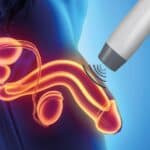
Shockwave therapy (ESWT): ESWT may help reduce penile pain, but it has not been shown to reliably straighten the penis or eliminate Peyronie’s plaques. It should not be considered a proven treatment for correcting curvature.
Surgical Treatment
Surgery is generally considered when the disease is stable and the curvature causes significant difficulty during sexual intercourse.
The main surgical options are:
Penile plication: Sutures are placed on the longer side of the penis to correct the bend. This technique is commonly used when erectile function is good and the deformity is not complex. Some penile shortening may occur.
Plaque incision and grafting: For more severe or complex curvature, the surgeon may make an incision in the affected tissue and use a graft. This approach can help correct the deformity but carries a risk of postoperative erectile dysfunction.
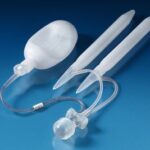
Penile implant surgery: Men with Peyronie’s disease and erectile dysfunction that does not respond adequately to medication may benefit from a penile prosthesis. Additional techniques may be used to straighten the penis.
Comparison of Peyronie’s Disease Treatments
The stage of the disease is important when deciding whether observation, non-surgical treatment or surgery is appropriate.
| Treatment | Main Purpose | Important Consideration |
|---|---|---|
| Medication | Relieve pain or manage erectile dysfunction | Does not reliably correct curvature |
| Plaque injections | Reduce curvature in selected patients | Not suitable or available in every case |
| Penile traction | May improve curvature or preserve length | Requires consistent use; results vary |
| ESWT | May reduce penile pain | Not proven to correct curvature |
| Plication surgery | Straighten suitable stable curvatures | May cause penile shortening |
| Grafting surgery | Correct severe or complex deformities | Risk of postoperative erectile dysfunction |
| Penile implant | Treat erectile dysfunction with associated curvature | Requires prosthesis surgery |
Recovery After Peyronie’s Disease Surgery
Recovery varies depending on the surgical technique.
Swelling, bruising and discomfort are common during the first days. Patients receive instructions about wound care, medication and physical activity.
Sexual intercourse is usually avoided for approximately four to six weeks, although recovery may take longer after certain procedures.
Possible risks include infection, changes in penile sensation, residual curvature, shortening and erectile difficulties. These should be discussed with the surgeon before treatment.
Peyronie’s Disease Treatment in Istanbul, Turkey
Men travelling to Istanbul for Peyronie’s disease treatment should have a urological assessment before deciding on a procedure.
An initial consultation can help review symptoms and previous treatments. However, the final treatment plan generally requires an in-person examination.
International patients should allow sufficient time for the procedure, recovery and any necessary postoperative checks. The recommended length of stay depends on the chosen treatment.
Follow-up care after returning home should also be discussed in advance.
Peyronie’s Disease Treatment Cost in Istanbul
The cost of Peyronie’s disease treatment depends on the procedure required and the patient’s medical needs.
Non-surgical treatments, corrective surgery and penile implant procedures have different cost structures. Hospital care, anaesthesia and any necessary surgical materials may also affect the total cost.
An individual cost estimate can be provided after the urological assessment and treatment planning.
Frequently Asked Questions
Can Peyronie’s disease go away on its own?
Pain may improve naturally, particularly when the condition becomes stable. However, significant penile curvature is less likely to resolve without treatment. Men with new or worsening symptoms should consult a urologist.
Does Peyronie’s disease always require surgery?
No. Mild curvature that does not interfere with sexual intercourse may only require monitoring. Surgery is usually considered when the disease is stable and the deformity causes significant functional problems.
Can Peyronie’s disease cause erectile dysfunction?
Yes. Some men experience difficulty achieving or maintaining an erection. Erectile dysfunction may be related to changes in penile tissue, circulation or other factors. Assessing erectile function is an important part of treatment planning.
Can exercises straighten a penis affected by Peyronie’s disease?
Ordinary exercises and massage have not been proven to correct Peyronie’s curvature. Forcefully bending or stretching the penis may cause injury. Medical traction devices are different and should only be used under professional guidance.
Is Peyronie’s disease the same as congenital penile curvature?
No. Congenital curvature is present from an early age and is not caused by Peyronie’s plaques. Peyronie’s disease develops later due to fibrous tissue formation. The treatment approach can differ between these conditions.
Medical References
- European Association of Urology (EAU): Sexual and Reproductive Health Guidelines – Penile Curvature
- National Institute of Diabetes and Digestive and Kidney Diseases (NIDDK): Penile Curvature (Peyronie’s Disease)