
White Bumps Around the Eyes: Milia Treatment in Istanbul
Small white bumps around the eyes can be surprisingly persistent. You may notice one beneath your lower eyelid or a cluster on your cheek that stays there despite your usual skincare routine. They look a little like whiteheads, but feel firmer and do not clear in the same way.
These bumps may be milia. Before trying to remove them, it is important to establish what they are, particularly when they sit close to the eyes.
For patients considering milia treatment in Istanbul, Turkey, the first step is a clinical assessment. The number of bumps, their location and your skin’s characteristics help determine whether professional extraction, a topical treatment or a laser approach is appropriate.
What Are Milia?
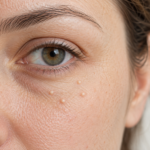
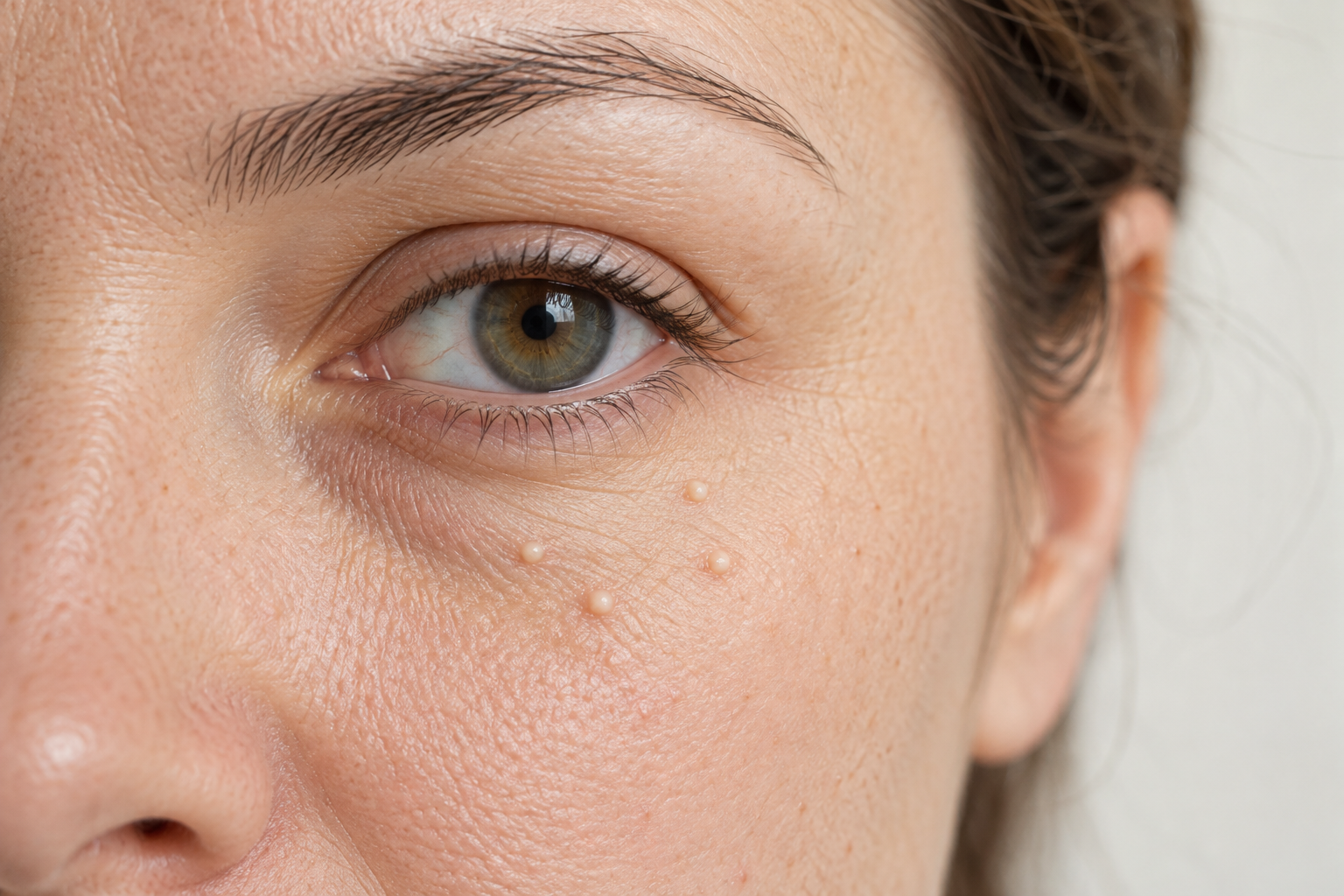
Milia are small, benign cysts containing keratin, a protein naturally found in the skin. They develop just beneath the surface and usually appear as pearly white or yellowish bumps. They commonly occur on the eyelids and cheeks.
A single cyst is called a milium; the plural is milia. They are generally painless, and treatment is often requested because of their appearance.
Are Milia the Same as Whiteheads?
No. Milia are keratin-containing cysts, whereas whiteheads, also called closed comedones, develop when hair follicles become blocked with oil and skin cells.
Although they can look similar, their structure and treatment differ. Other bumps around the eyes may also resemble milia, so appearance alone is not always enough to identify them.
| Feature | Milia | Whiteheads |
|---|---|---|
| What they contain | Keratin within a small cyst beneath the skin surface | Oil and skin cells within a blocked hair follicle |
| Typical appearance | Small, pearly white or yellowish bumps | Skin-coloured or whitish raised bumps |
| How they feel | Usually firm, like a tiny bead beneath the skin | Texture and firmness can vary |
| Treatment | Observation, professional extraction or another method selected after examination | Skincare and treatment addressing acne and follicular blockage |
These differences provide general guidance. A clinical examination may be needed to identify similar-looking bumps.
Why Do Milia Develop?
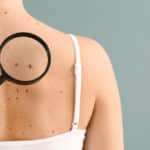
Milia can develop without an obvious cause. They may also appear while skin heals after a burn, injury or blistering condition. These are known as secondary milia.
Their presence does not mean that you are cleaning your face incorrectly. Repeatedly washing or scrubbing the area may leave your skin irritated without resolving the underlying concern.
During your consultation, explain when you first noticed the bumps and whether their number has changed. Mention any recent skin procedures, prescription creams and previous attempts at removal. A list of your everyday skincare products can also be useful.
Do Milia Need to Be Removed?
Not always. Some milia disappear on their own, while others persist. If the diagnosis is confirmed and they do not bother you, treatment may not be necessary.
The decision also depends on your expectations. You might want a few visible bumps addressed, or you may be concerned about new lesions appearing repeatedly. Explaining this distinction helps the clinician assess the whole concern rather than focusing only on the most noticeable bump.
Milia Treatment Options
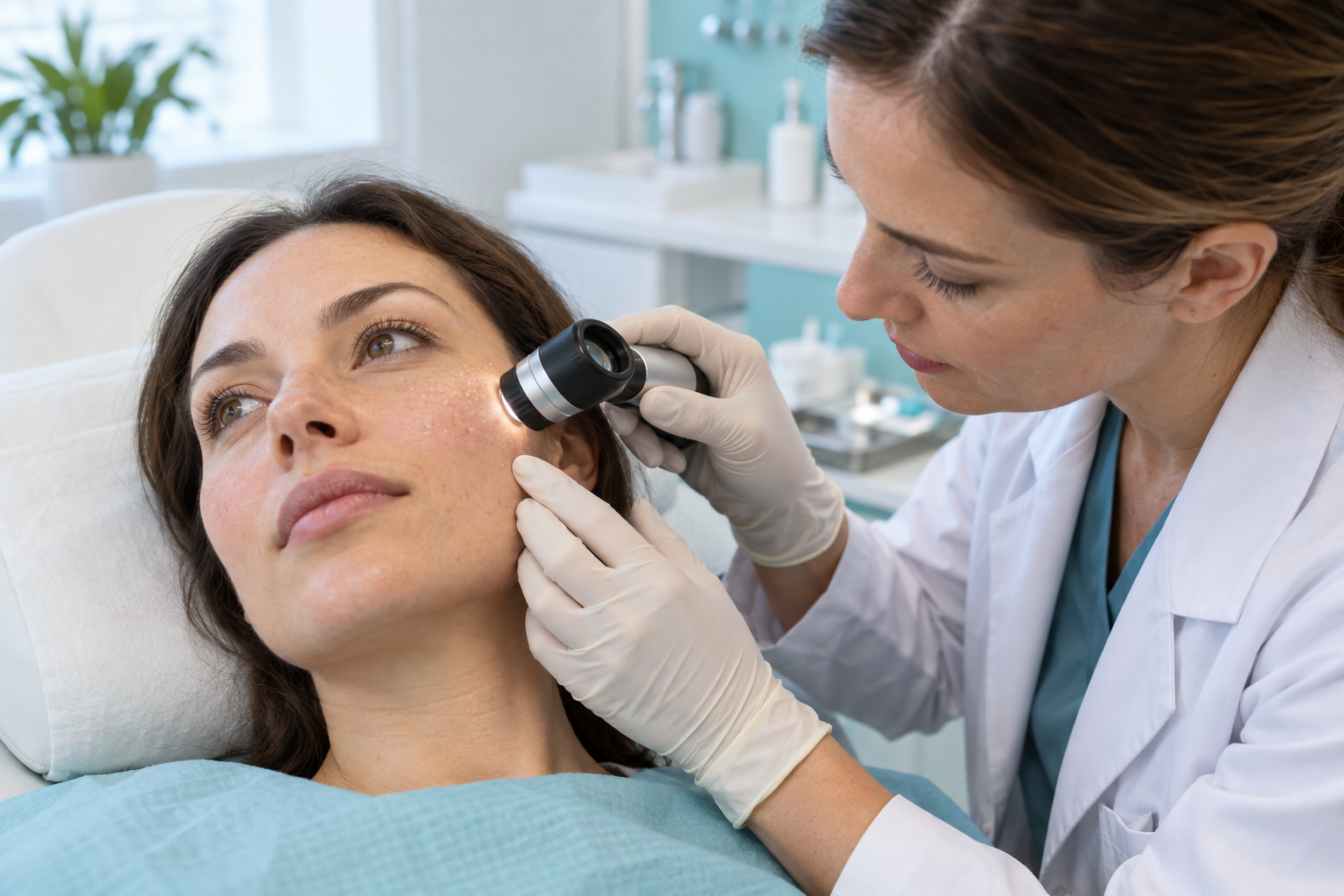
There is no single method suitable for every case. Treatment is selected after examining the lesions and considering their position, extent and the surrounding skin.
Professional Milia Extraction
Suitable superficial milia can be removed by a clinician through a small sterile opening in the overlying skin, allowing the keratin content to be extracted. This is different from squeezing a whitehead.
Before the procedure, you should understand which lesions will be treated, what you may feel during the appointment and how to look after the area afterwards.
Topical Treatment for Widespread Milia
For widespread milia, a clinician may consider a topical retinoid. These products require careful selection and guidance, especially near the eyes.
If a topical treatment is recommended, ask how it fits alongside your current products and when the response should be reviewed.
Fotona Laser for Milia Treatment
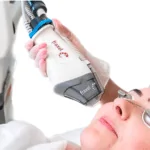
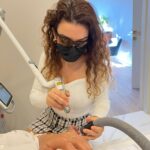
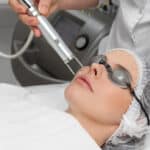
Laser treatment may be considered in selected cases. Fotona systems equipped with an Er laser offer controlled ablative treatment options. Whether this is suitable for your milia needs to be assessed individually; a few small lesions do not automatically require laser treatment.
If Fotona laser is recommended, the consultation should cover why it has been selected, the area to be treated and the expected recovery. Appropriate eye protection is essential for treatment near the eyes.
Treating Milia Under the Eyes and on the Eyelids
The precise location of a bump matters. A lesion on the cheek, beneath the eye or close to the lash line may require a different approach.
When arranging your appointment, describe where the bumps are rather than simply requesting “milia removal.” Photographs can help explain the concern, but the final recommendation may require an in-person examination.
Avoid piercing, scraping or squeezing the bumps yourself. Home removal can cause skin damage, infection and scarring.
Is a Facial Enough to Treat Milia?
A general facial appointment and an assessment of persistent white bumps serve different purposes. When booking, explain that the bumps feel firm and have not gone away.
The consultation can address both the lesions and your skincare routine. You can then clarify whether a separate procedure is appropriate and what it would involve, rather than assuming that a particular facial will remove them.
What to Discuss Before Treatment
A useful consultation should give you a clear idea of the proposed treatment and its practical implications. Bring information about previous procedures, medications and any history of difficult healing or lasting skin marks.
Questions worth asking include:
- Which bumps have been identified as milia?
- Which treatment is recommended, and why?
- Can the suitable lesions be treated at one appointment?
- What will the area look like afterwards?
Will a follow-up appointment be needed?
If you have travel arrangements, an event or another cosmetic treatment planned, share those dates before proceeding. Do not stop prescribed medication unless your treating clinician advises you to do so.
Aftercare Following Milia Treatment
Aftercare should match the method used and the treatment area. Ask for instructions about cleansing, makeup, sun protection and restarting products containing active ingredients.
Leave the treated skin alone rather than picking at it or removing any crusts. If you notice something different from what was explained during the appointment, contact the clinic before adding new products.
When Can I Wear Makeup Again?
Ask for an individual recommendation after treatment, particularly if you use concealer or eye makeup over the affected area. Mention an upcoming event beforehand so you can discuss the timing of the procedure.
Can Milia Removal Leave a Scar?
A scar-free result cannot be guaranteed. Discuss previous healing problems or persistent pigmentation before treatment. Trying to remove milia at home can increase the risk of scarring.
Can Milia Return After Treatment?
New milia can develop after existing lesions have been treated. Removal does not guarantee that no further bumps will appear.
If they recur, note whether they appear in the same place or elsewhere, and how much time has passed since treatment. Share any changes to your skincare routine at the next assessment.
Planning Milia Treatment in Istanbul, Turkey
If you are visiting Istanbul from abroad, discuss your concern and travel dates with Quartz Clinique before arranging the appointment. Explain how long the bumps have been present and whether they have been treated previously.
You can ask whether assessment and treatment might take place during the same visit, whether a review would be needed before you leave and how to contact the clinic after returning home.
Allow the consultation to guide the treatment decision. Photos and an initial discussion can help with planning, but they should not be treated as confirmation that a specific procedure will be suitable.
If you are considering other treatments during your stay in Turkey, mention them in advance so their timing can be discussed together.
Milia Treatment Cost in Turkey
The cost of milia treatment depends on the number and location of the lesions, the selected method and the scope of the treatment plan. A few isolated bumps may involve a different approach from multiple lesions across several areas.
When requesting pricing, ask whether the quote includes the consultation, procedure and any planned review. If more than one treatment is proposed, request an explanation of each item.
For patients travelling to Istanbul, understanding the treatment plan and appointment requirements is as useful as knowing the price.
Frequently Asked Questions
Can I Squeeze Milia Like a Pimple?
No. Do not try to squeeze, pierce or scrape them at home. Professional assessment helps establish what the bump is before choosing a method of removal.
Is Milia Treatment Painful?
The sensation varies with the method and treatment area. Ask what discomfort to expect and which measures may be appropriate to improve comfort.
How Many Sessions Will I Need?
This depends on the assessment and chosen approach. The clinician can explain whether the suitable lesions can be addressed together and whether a review is needed.
Is Fotona Laser Necessary for Milia Removal?
No. Laser is one possible option for selected cases. The treatment recommendation should follow an examination rather than a preference for a particular device.
Can I Have Treatment During a Short Stay in Istanbul?
Discuss your travel dates before booking. The assessment, proposed method and follow-up requirements will determine whether treatment fits your schedule.
Can I Send Photographs Before Visiting Turkey?
Photographs can support initial planning and help describe your concern. An in-person examination may still be needed to confirm the diagnosis and treatment.
Are Milia Contagious?
No. Milia are not contagious and do not spread from person to person.
What if a White Bump Changes or Starts Bleeding?
Do not assume it is milia. Describe the change when arranging an appointment so the lesion can be assessed appropriately.
Choosing the Right Approach for Your Skin
Milia treatment begins with identifying the bumps correctly. Their location, number and your expectations help guide the next step.
For international patients, discussing these details before travelling to Istanbul makes it easier to plan the appointment, understand aftercare and leave time for any recommended review.
Content Responsibility and Medical Review

Medical expert
Specialist in Plastic, Reconstructive and Aesthetic Surgery
Leyla Arvas graduated from Istanbul University, Istanbul Faculty of Medicine in 1998 and is a specialist in Plastic, Reconstructive and Aesthetic Surgery.
Dr. Leyla Arvas sees patients at her private practice and performs her surgeries at Acıbadem Hospital and Memorial Hospital, both of which are accredited by the Joint Commission International (JCI).
Medical content lead for Milia Treatment: MD, Leyla Arvas, MD
Last updated: